

Silicone coated fiberglass fabric insulation jackets are widely used in industrial environments where equipment, pipes, valves and flanges require flexible heat protection. Unlike fixed insulation systems, removable insulation jackets can be opened, removed and reinstalled during inspection, maintenance or repair work.
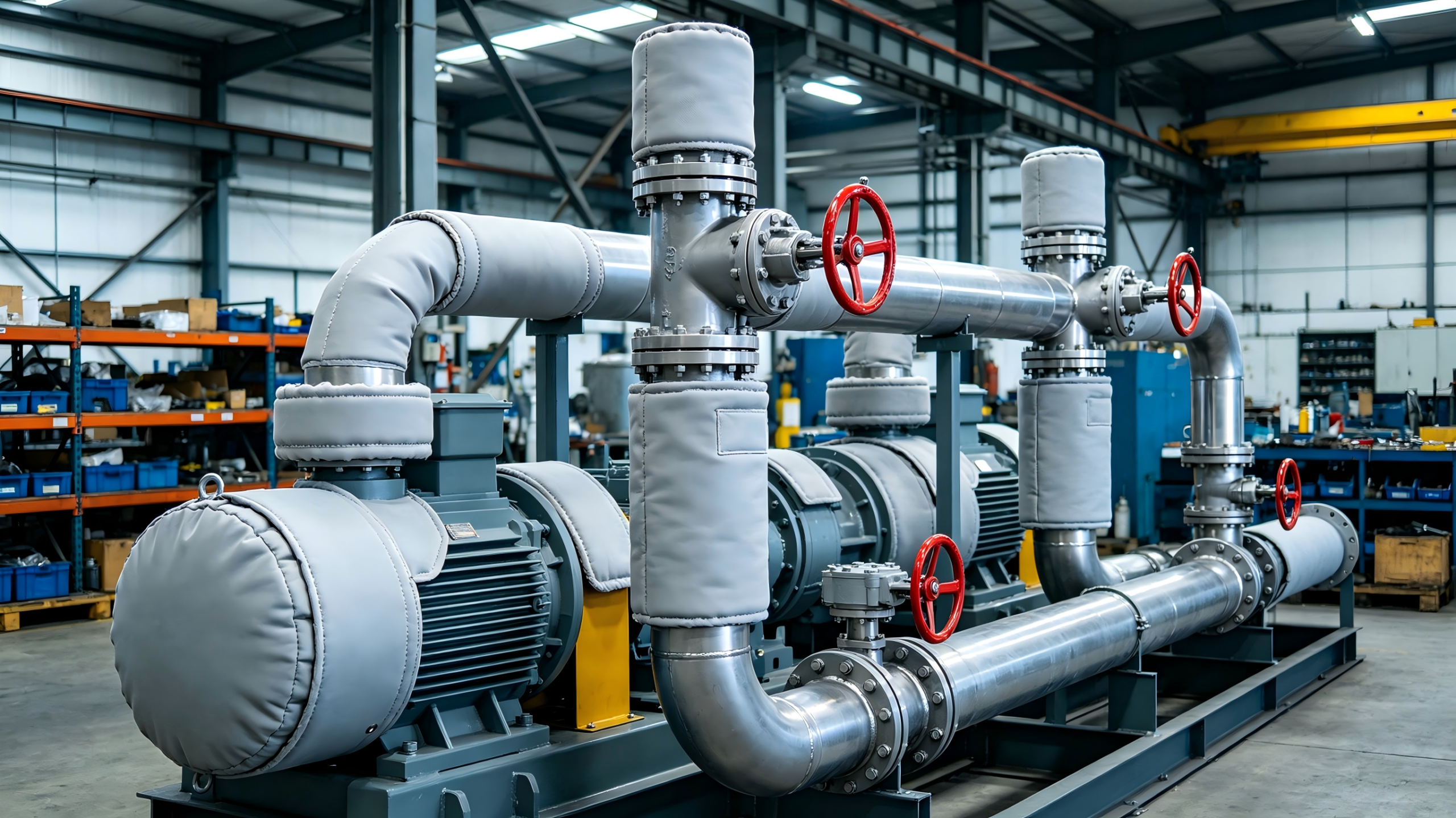
Removable insulation jackets made with silicone coated fiberglass fabric for industrial pipes, valves and equipment.
For factories, power plants, chemical facilities, HVAC systems and industrial equipment manufacturers, choosing the right outer fabric is important. The fabric needs to resist heat, protect insulation layers, handle repeated use and maintain stable performance in demanding working conditions.
For many industrial buyers, silicone coated fiberglass fabric insulation jackets offer a practical balance of heat resistance, flexibility and reusable protection.
This article explains why silicone coated fiberglass fabric is commonly used for removable insulation jackets, what benefits it offers, and how buyers can choose the right material for different industrial applications.
What Are Removable Insulation Jackets?
Removable insulation jackets, also called removable insulation covers or thermal insulation blankets, are custom-made covers used to reduce heat loss, protect workers from hot surfaces and improve energy efficiency. They are commonly installed on equipment that requires regular maintenance.
When these jackets use silicone coated fiberglass fabric as the outer layer, they become more suitable for demanding thermal insulation and maintenance environments.
Typical applications include:
- Industrial valves
- Flanges and pipe joints
- Pumps and turbines
- Exhaust systems
- Heat exchangers
- Industrial ovens and processing equipment
- HVAC ducting and thermal insulation systems
Because these insulation jackets are often exposed to heat, vibration, dust, moisture and handling, the outer fabric must be durable and heat resistant. This is where silicone coated fiberglass fabric insulation jackets become a practical material choice for industrial buyers and insulation cover manufacturers.
Why Silicone Coated Fiberglass Fabric Is Used for Insulation Jackets
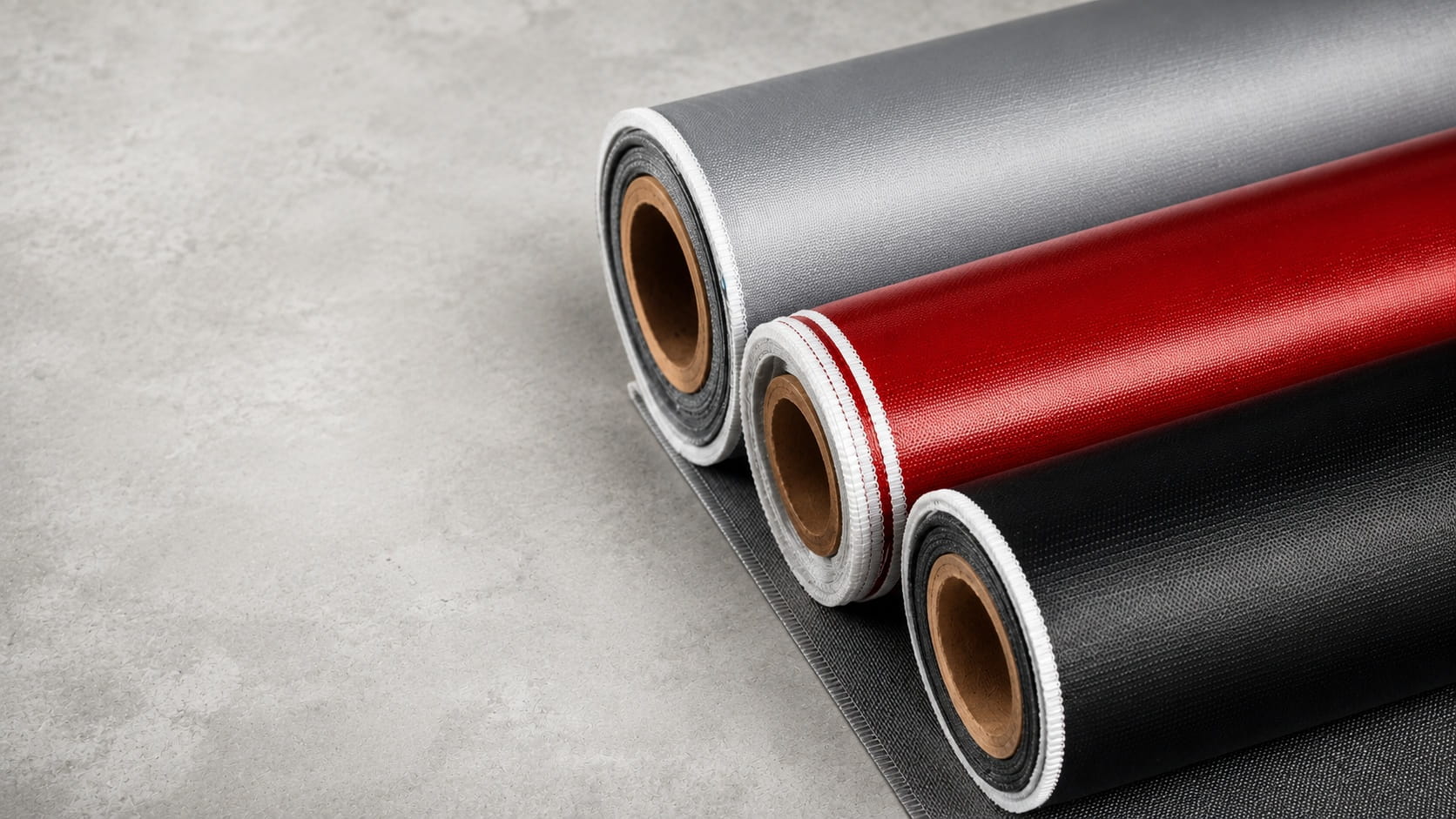
Silicone coated fiberglass fabric combines the strength of woven fiberglass with the protective surface of silicone rubber coating. Fiberglass provides the base strength and heat resistance, while silicone coating improves surface protection, flexibility and resistance to environmental exposure.

Close-up of silicone coated fiberglass fabric used as the outer layer for industrial insulation jackets.
Compared with ordinary fiberglass cloth, silicone coated fiberglass fabric offers better handling performance for removable insulation covers. It is less likely to release loose fibers on the surface, and the coated surface is easier to clean and fabricate.
For industrial insulation jacket manufacturers, this material helps improve both product durability and user experience.
In many projects, silicone coated fiberglass fabric insulation jackets are selected because they can be customized for different equipment shapes, temperature ranges and maintenance requirements.
Key Benefits of Silicone Coated Fiberglass Fabric Insulation Jackets
1. Heat Resistance for Industrial Equipment
Many removable insulation jackets are installed on high-temperature equipment. Silicone coated fiberglass fabric provides reliable heat resistance for many industrial insulation applications.
The specific temperature performance depends on the fiberglass base fabric, silicone coating weight, fabric thickness and working environment.
For more information about temperature performance, you can also read our guide on silicone coated fiberglass fabric heat resistance.
2. Flexible and Easy to Fabricate
Removable insulation jackets need to fit complex equipment shapes. The fabric must be flexible enough for cutting, sewing and custom fabrication.
Silicone coated fiberglass fabric can be made into flat covers, curved covers, valve jackets, flange covers and customized insulation blankets.
This flexibility makes it suitable for OEM insulation jacket suppliers and industrial insulation contractors who need customized sizes and shapes.
3. Improved Surface Protection
The silicone coating helps protect the fiberglass base cloth from abrasion, moisture and surface contamination. In industrial environments, insulation jackets may be exposed to dust, oil mist, humidity or repeated handling.
A coated surface helps extend service life and makes the jacket easier to clean.
4. Better Worker Safety
Hot equipment surfaces can create burn risks in factories and maintenance areas. Removable insulation jackets made with silicone coated fiberglass fabric help reduce exposed surface temperature and provide an extra protective barrier around hot components.
This makes the material useful in areas where workers need to operate or inspect equipment near heat sources.
5. Suitable for Repeated Removal and Installation
Unlike permanent insulation, removable insulation jackets may be opened many times during maintenance. The outer fabric must withstand bending, folding and handling.
Silicone coated fiberglass fabric provides good mechanical stability for repeated use when the jacket is properly designed and sewn.
Common Industrial Applications
Valve and Flange Insulation Covers
Valves and flanges are common heat loss points in piping systems. They are also areas that require regular inspection.
Removable covers made with silicone coated fiberglass fabric allow workers to remove the insulation when needed and reinstall it after maintenance.
Pipe and Duct Insulation Jackets
In HVAC, steam lines and industrial piping systems, silicone coated fiberglass fabric can be used as an outer protection layer for insulation jackets. It helps protect the inner insulation material while providing a clean and durable surface.
You can view related insulation applications on our HVAC insulation product category.
Equipment Insulation Covers
Industrial equipment such as pumps, turbines, heat exchangers and processing machines may require customized insulation covers. Silicone coated fiberglass fabric is suitable for producing tailored covers that match different equipment shapes and operating conditions.
For more industrial use cases, visit our industrial equipment applications page.
Exhaust and High-Heat Area Protection
In some exhaust and hot-air systems, removable insulation jackets help reduce heat radiation and protect nearby components.
Silicone coated fiberglass fabric can be used as the outer layer where flexibility and heat resistance are both required.
How to Choose the Right Silicone Coated Fiberglass Fabric
When selecting fabric for silicone coated fiberglass fabric insulation jackets, buyers should not only compare price. The final performance depends on material structure, coating quality and application requirements.
1. Choose the Right Thickness
Thicker fabrics usually provide stronger mechanical strength, while lighter fabrics are easier to cut and sew.
The right thickness depends on the jacket size, equipment temperature and expected service life.
2. Consider Coating Type
Single-sided silicone coated fiberglass fabric may be suitable for some basic insulation covers, while double-sided silicone coated fiberglass fabric provides better surface protection on both sides.
For high-use removable jackets, double-sided coating is often preferred.
3. Check Temperature Requirements
Different applications have different temperature requirements. Buyers should confirm continuous working temperature, short-term heat exposure and the actual surface temperature of the equipment.
4. Confirm Fabric Width and Roll Length
For large insulation jacket production, fabric width and roll length affect cutting efficiency and material usage.
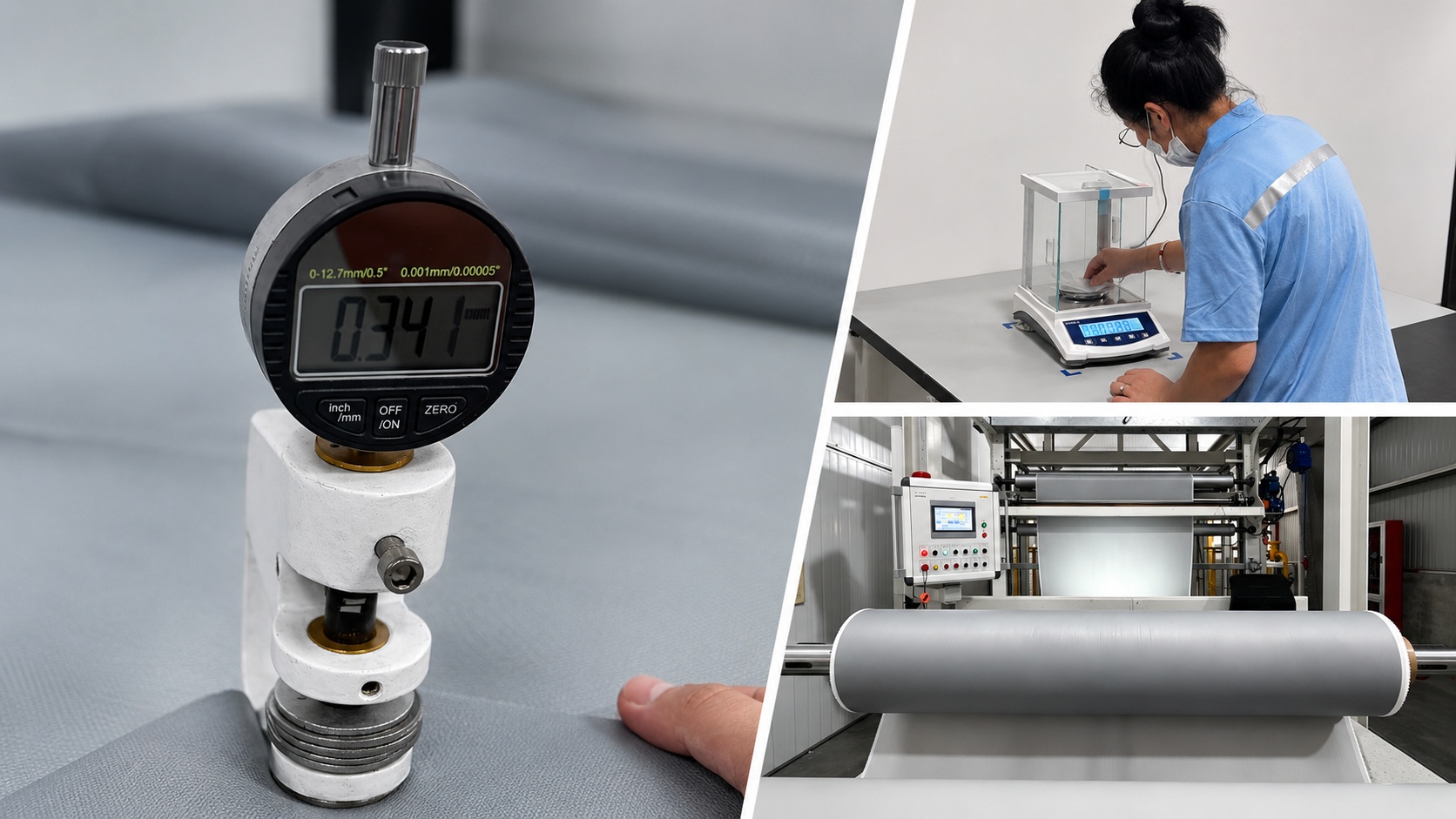
A reliable supplier should offer stable roll dimensions and consistent coating quality.
5. Match the Fabric with Sewing and Fastening Design
Removable insulation jackets often use hooks, straps, buckles, Velcro or stainless steel lacing systems.
The outer fabric should work well with the sewing method and jacket structure.
Silicone Coated Fiberglass Fabric vs Ordinary Fiberglass Cloth
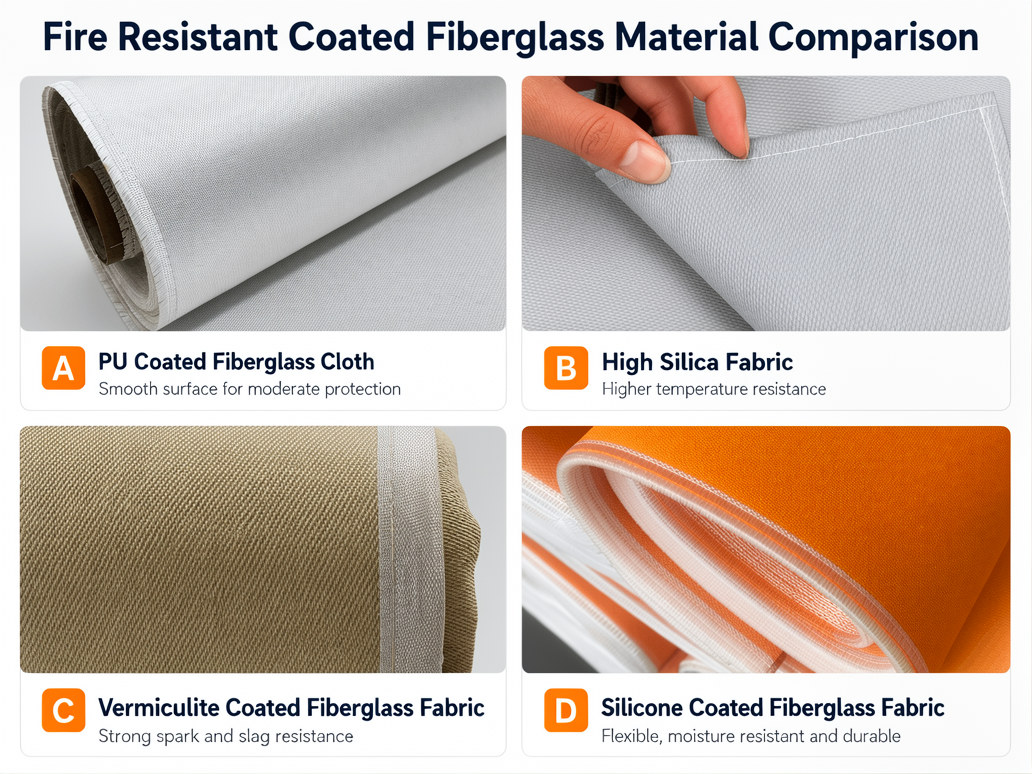
Ordinary fiberglass cloth has heat resistance, but it may not provide the same surface protection and handling performance as silicone coated fiberglass fabric.
For removable insulation jackets, the coated material is often preferred because it offers a cleaner surface, better abrasion resistance and improved durability.
In industrial use, the jacket is not only exposed to heat. It may also face dust, handling, movement and maintenance work. Silicone coating helps the fabric perform better in these practical conditions.
Customization Options for Insulation Jacket Manufacturers
As an industrial material, silicone coated fiberglass fabric can be customized to meet different insulation jacket requirements.
Common customization options include:
- Fabric thickness
- Fabric weight
- Single-sided or double-sided silicone coating
- Color options such as gray, red, black or orange
- Roll width and roll length
- Surface texture
- Packaging method
For buyers who need stable bulk supply, it is important to work with a supplier that understands both fiberglass base fabric and silicone coating production.
You can view more related materials from our silicone coated fabric category.
Why Work with a Professional Silicone Coated Fiberglass Fabric Supplier?
For removable insulation jacket manufacturers, material consistency is very important. If the coating thickness, fabric weight or surface quality changes between batches, the final insulation cover may have inconsistent appearance and performance.
A professional supplier should provide:
- Stable fiberglass base fabric
- Consistent silicone coating quality
- Multiple thickness and color options
- Custom roll width support
- Reliable bulk production capacity
- Support for OEM and industrial projects
Jiangxi Suihua Fiberglass focuses on fiberglass and silicone coated fiberglass materials for fire protection, thermal insulation and industrial safety applications.
For buyers who need a wider range of fiberglass fabrics, fire protection materials and industrial insulation products, you may also visit our main site: Suihua Fiberglass.
FAQ: Silicone Coated Fiberglass Fabric Insulation Jackets
Are silicone coated fiberglass fabric insulation jackets suitable for industrial equipment?
Yes. Silicone coated fiberglass fabric insulation jackets are suitable for industrial equipment because they provide heat resistance, flexibility, surface protection and good fabrication performance.
Can silicone coated fiberglass fabric be sewn?
Yes. It can be cut and sewn into insulation covers, valve jackets, flange covers and equipment insulation blankets.
Proper sewing thread and jacket design should be selected according to the application temperature.
Is single-sided or double-sided silicone coated fiberglass fabric better?
Double-sided silicone coated fiberglass fabric provides better surface protection on both sides, while single-sided fabric may be suitable for some cost-sensitive applications.
The best choice depends on the working environment and product design.
What industries use removable insulation jackets?
Common industries include power plants, chemical plants, HVAC systems, oil and gas facilities, marine equipment, manufacturing plants and industrial maintenance services.
Can the fabric be customized?
Yes. Thickness, coating type, color, width and packaging can be customized according to project requirements.
الخاتمة
Silicone coated fiberglass fabric insulation jackets are practical solutions for industrial heat protection, equipment insulation and energy-saving applications.
The material combines heat resistance, flexibility, surface protection and durability, making it suitable for valve covers, flange jackets, pipe insulation covers and customized equipment insulation blankets.
For B2B buyers, the right material should be selected according to temperature requirements, jacket structure, coating type, fabric thickness and long-term use conditions.
Choosing a professional silicone coated fiberglass fabric supplier can help improve product consistency and support stable production for industrial insulation projects.

 Arabic
  English
  Russian
  Spanish
  Italian
  Portuguese
  German