

Silicone coated fiberglass fabric is widely used for thermal insulation, welding protection, flexible connectors, removable insulation covers and other industrial applications.
For bulk buyers, however, checking only price, color and temperature resistance is not enough.
Materials that appear similar in a quotation can differ in fiberglass construction, coating consistency, thickness tolerance, adhesion and production stability. These differences may affect fabrication, service life and repeat-order consistency.
A practical silicone coated fiberglass fabric quality inspection should therefore focus on the characteristics that directly affect purchasing and production.
Here are eight important checks buyers should complete before approving a bulk order.
1. Check the Fiberglass Base Fabric
The fiberglass substrate provides the basic strength and structure of the finished coated fabric.
Before placing a bulk order, confirm that the fiberglass base cloth matches the agreed specification.
Key items may include:
- Fiberglass type
- Weave construction
- Base fabric weight
- Tensile strength
- Finished thickness
- Required width
A heavier base fabric is not automatically better. The correct construction depends on the final application.
For example, material used for flexible connectors may require greater flexibility, while fabric used for industrial covers or thermal barriers may require a different balance of strength, weight and handling performance.
For customized products, buyers should make sure the production material follows the same specification as the approved sample.
2. Verify Fabric Weight and Thickness
Finished weight and thickness are two of the most important parameters for comparing silicone coated fiberglass fabrics.
Variations may affect:
- Flexibility
- Mechanical strength
- Coating quantity
- Sewing and fabrication
- Finished product weight
- Material cost
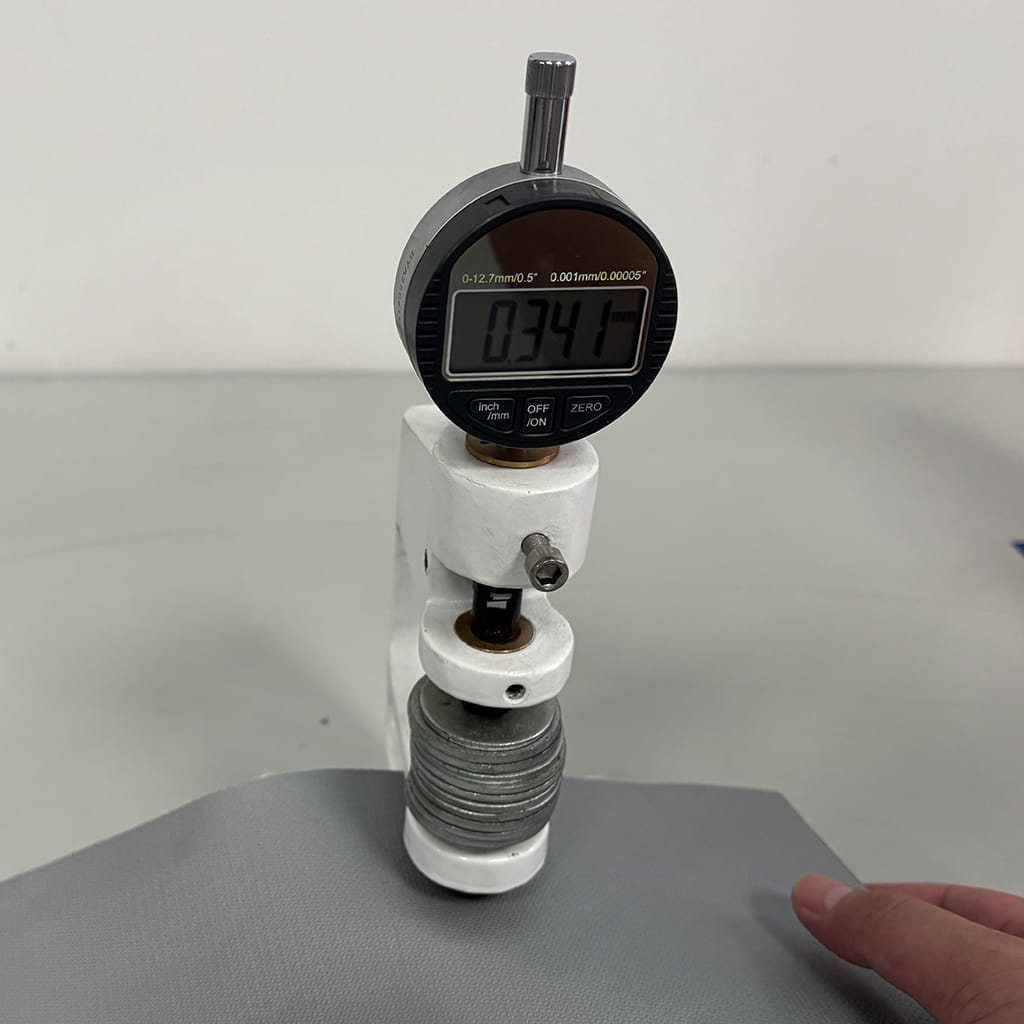
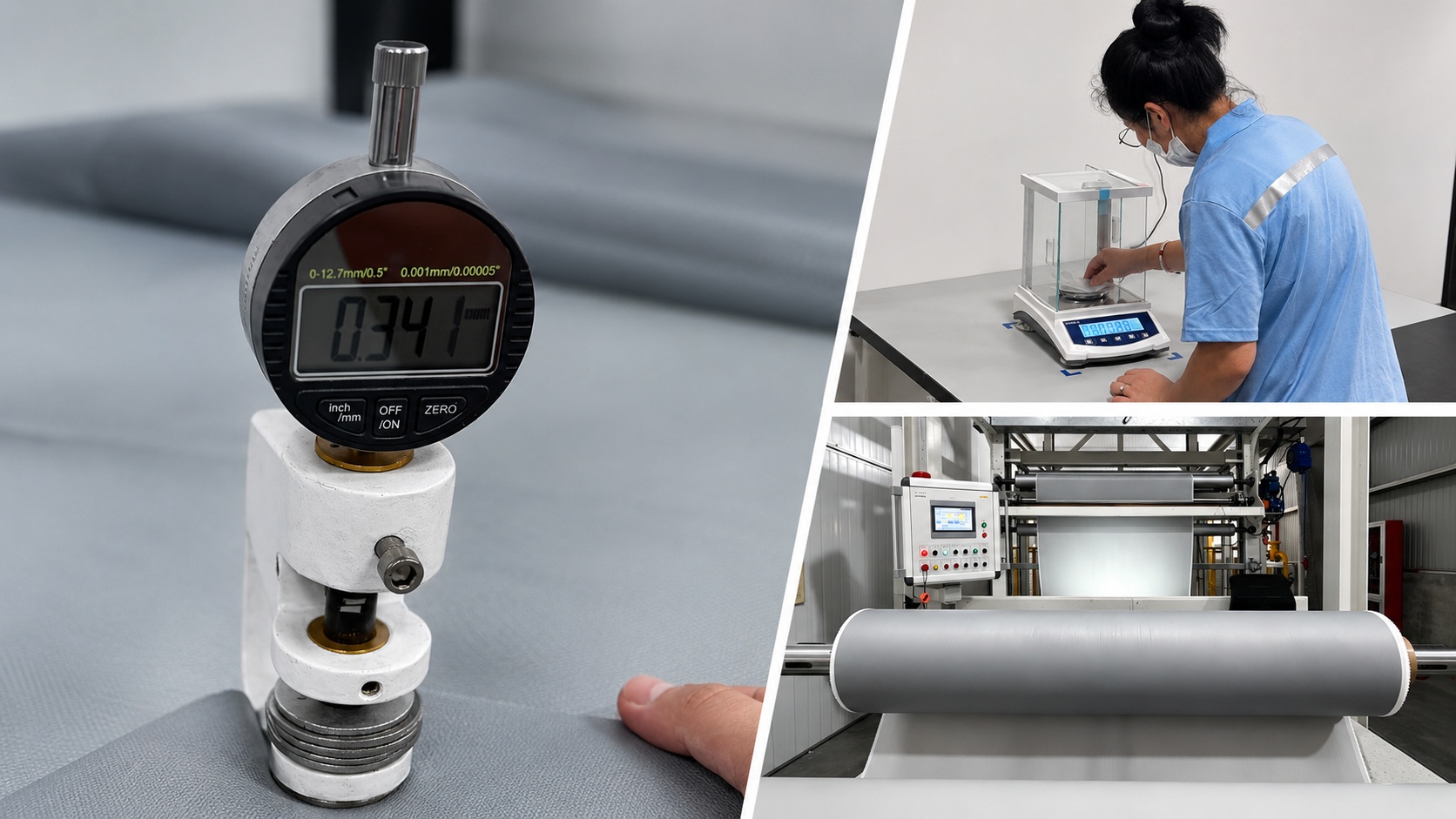
Buyers should confirm both the target value and the acceptable tolerance before production.
It is also important to clarify whether the stated GSM refers to the fiberglass base cloth or the finished silicone coated fabric.
During inspection, measurements should be taken from representative areas rather than relying on only one point.
This is especially important when comparing quotations from different manufacturers because products with similar descriptions may use different fiberglass substrates and silicone coating weights.
3. Inspect Silicone Coating Uniformity
The silicone coating should be reasonably consistent across the usable width of the fabric.
During visual inspection, check for:
- Bare fiberglass areas
- Uneven coating
- Excessive coating buildup
- Pinholes
- Streaks
- Thin spots
- Contamination
- Irregular surface finish
Minor visual differences do not always mean the fabric is defective. Surface appearance may vary depending on coating formulation, color and production process.
However, significant differences within the same roll or production batch should be investigated.
For regular bulk purchasing, buyers should also understand the supplier’s quality control process and how coating consistency is monitored during production.
4. Check Coating Adhesion
The silicone coating should remain properly bonded to the fiberglass substrate during normal handling and fabrication.
Possible adhesion problems include:
- Peeling
- Flaking
- Local separation
- Coating lifting from cut edges
- Excessive cracking after repeated flexing
A simple surface scratch test alone is not enough to evaluate coating adhesion because different coating systems may behave differently.
For new projects, buyers can also test an approved production sample through actual fabrication processes such as cutting, folding and sewing.
This helps identify potential problems that may not be visible when inspecting an untouched roll.
If coating adhesion is critical to the final product, the expected requirement should be agreed with the supplier before bulk production.
5. Look for Surface and Manufacturing Defects
Visual inspection remains an important part of coated fiberglass fabric quality control.
Representative material should be checked for:
- Holes
- Tears
- Broken yarns
- Wrinkles
- Creases
- Dirt or oil contamination
- Edge damage
- Foreign particles
- Uneven color
- Abnormal coating marks
Not every cosmetic variation affects performance.
The acceptable surface standard should depend on the final application. Fabric used inside an industrial insulation cover, for example, may have different appearance requirements from material used on a visible finished product.
For larger orders, buyers should define acceptable defects before shipment instead of waiting until the goods arrive.
6. Verify Width, Roll Length and Dimensional Tolerance
Coating quality is only part of a successful bulk order.
Incorrect dimensions can create additional waste and fabrication problems.
Buyers should confirm:
- Roll width
- Usable width
- Roll length
- Number of rolls
- Total quantity
- Edge condition
- Dimensional tolerance
This is particularly important for customers cutting fixed-size panels for insulation jackets, welding blankets, expansion joints or industrial covers.
If the usable width is narrower than expected, the original cutting plan may no longer work and additional seams may be required.
Consistent roll dimensions also make repeat production more efficient.
7. Review Test Reports and Certifications
Technical documents should be checked before approving an industrial fabric order, especially when the material is intended for heat, flame or safety-related applications.
Relevant documents may include:
- Product test reports
- Flame resistance test reports
- Material specifications
- Quality inspection records
- ISO management system certificates
- Third-party testing documents
Buyers should also understand what each document actually demonstrates.
For example, ISO 9001 certification relates to a company’s quality management system. It does not replace a product-specific performance test report.
When checking a test report, confirm:
- Product or sample tested
- Test method
- Report date
- Testing organization
- Report number
- Test result
- Whether the tested construction matches the material being purchased
Available certificates and test reports can help buyers understand which certifications and product tests are supported by documentation.
8. Check Batch Consistency and Traceability
Sample quality is important, but bulk buyers also need consistent production.
Representative rolls from the same shipment should be compared for:
- Color
- Thickness
- Fabric weight
- Coating appearance
- Surface finish
- العرض
- General handling characteristics

For repeat orders, basic batch identification and traceability are also valuable.
If a problem occurs later, batch records can help identify which production lot or shipment was affected.
Buyers evaluating long-term suppliers should therefore consider not only one good sample, but also whether the fiberglass fabric factory can maintain stable production from one order to the next.
Buyer’s Pre-Purchase Checklist
Before approving bulk production, confirm the following information with the supplier:
- Fiberglass base fabric specification
- Finished thickness and tolerance
- Finished fabric weight
- Silicone coating side and coating requirement
- Color
- Roll width and length
- Surface quality requirement
- Required test reports or certificates
- Packing and labeling
- Approved sample reference
For custom products, keeping an approved sample is highly recommended.
It provides a practical reference for comparing appearance, flexibility, thickness and general construction with future bulk production.
FAQ
What should buyers inspect before ordering silicone coated fiberglass fabric in bulk?
Buyers should check the fiberglass substrate, finished weight and thickness, silicone coating uniformity, adhesion, surface condition, roll dimensions, technical documentation and batch consistency.
The inspection requirements should be based on the actual end-use specification rather than appearance alone.
Is ISO 9001 the same as a silicone coated fiberglass fabric test report?
No.
ISO 9001 is a quality management system certification. It describes how an organization manages quality-related processes.
A product test report evaluates specific material characteristics according to a particular test method.
Industrial buyers should distinguish between company management certification and product-specific test documentation.
Should buyers approve a sample before mass production?
Yes, especially for customized specifications.
An approved sample can provide a physical reference for color, coating appearance, thickness, flexibility and general construction.
For repeat orders, it can also help both buyer and supplier maintain more consistent expectations.
الخاتمة
Bulk purchasing silicone coated fiberglass fabric requires more than comparing price and temperature ratings.
A practical quality inspection should confirm the base fabric, thickness, weight, coating consistency, adhesion, surface condition, dimensions, documentation and batch consistency before shipment.
Clear specifications and approved samples can reduce misunderstandings and make repeat purchasing more reliable.
When selecting a silicone coated fiberglass fabric supplier for long-term or bulk orders, buyers should evaluate both product quality and the supplier’s ability to maintain consistent production.
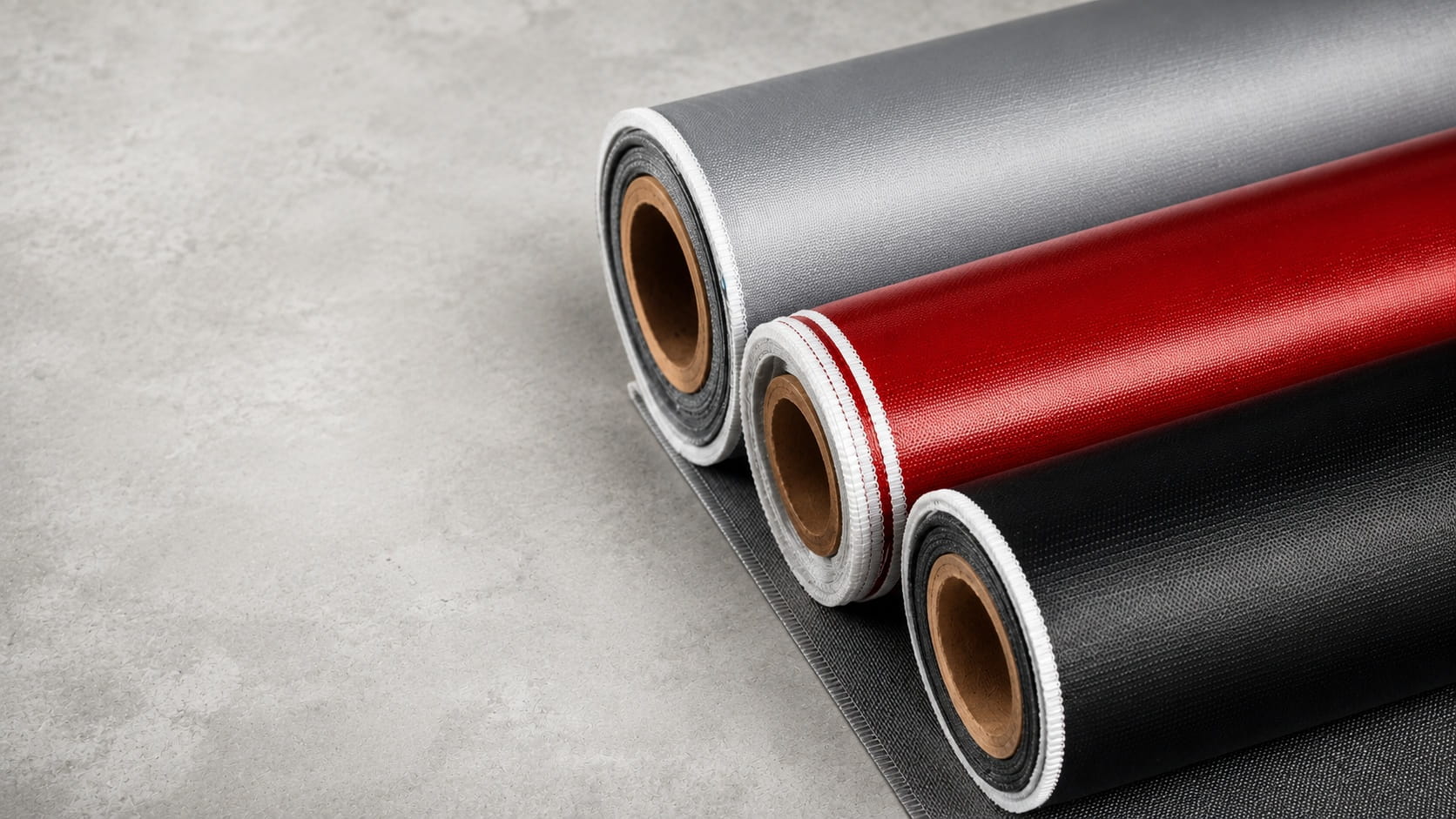

 Arabic
  English
  Russian
  Spanish
  Italian
  Portuguese
  German