

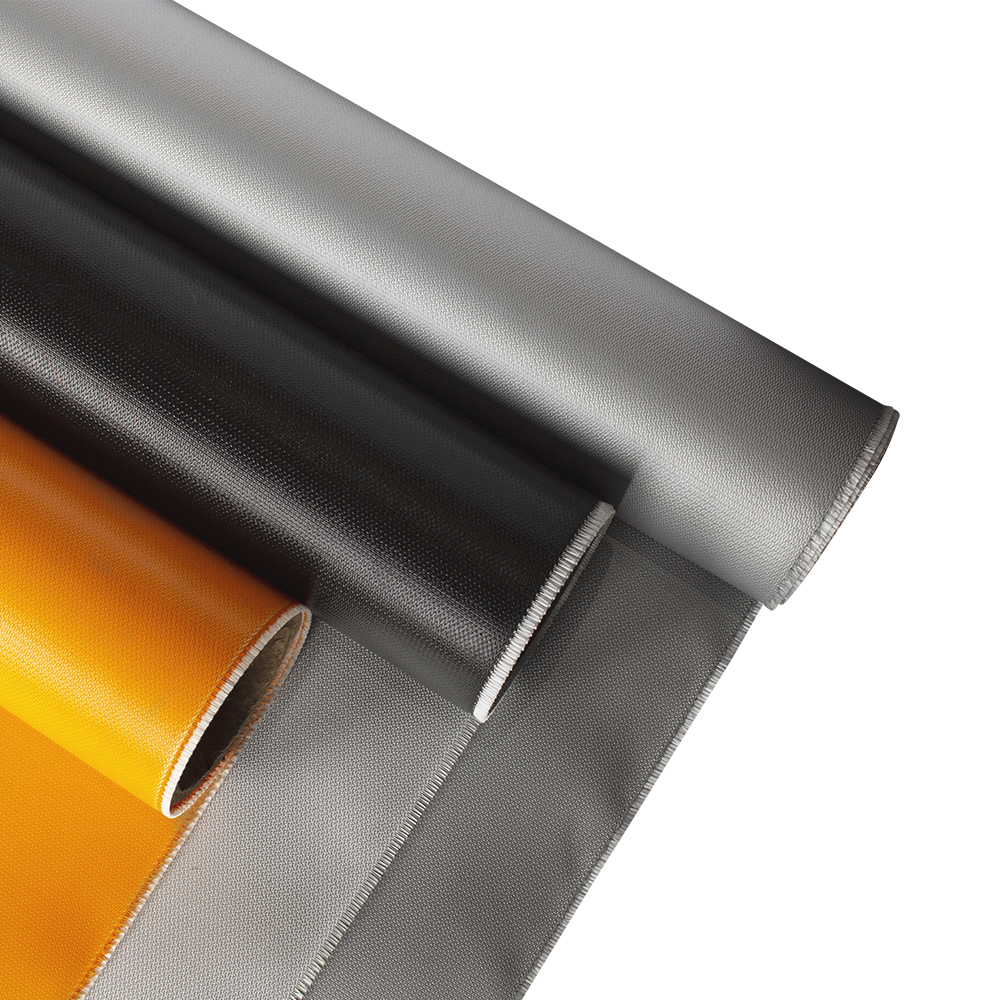
Silicone coated fiberglass cloth is a high-performance industrial material made by applying a silicone coating to a fiberglass base fabric. It is widely used in applications that require heat resistance, flame protection, insulation performance, and long-term durability. Compared with ordinary fabrics, silicone coated fiberglass cloth offers a much better balance of strength, flexibility, and surface protection in demanding working environments.
For industrial buyers, this material is especially valuable because it can be used in different fields such as electrical insulation, fire protection, HVAC systems, thermal insulation, and other high-temperature protection applications. Its versatility makes it one of the most practical fiberglass-based materials for industrial processing and conversion.

What Is Silicone Coated Fiberglass Cloth?
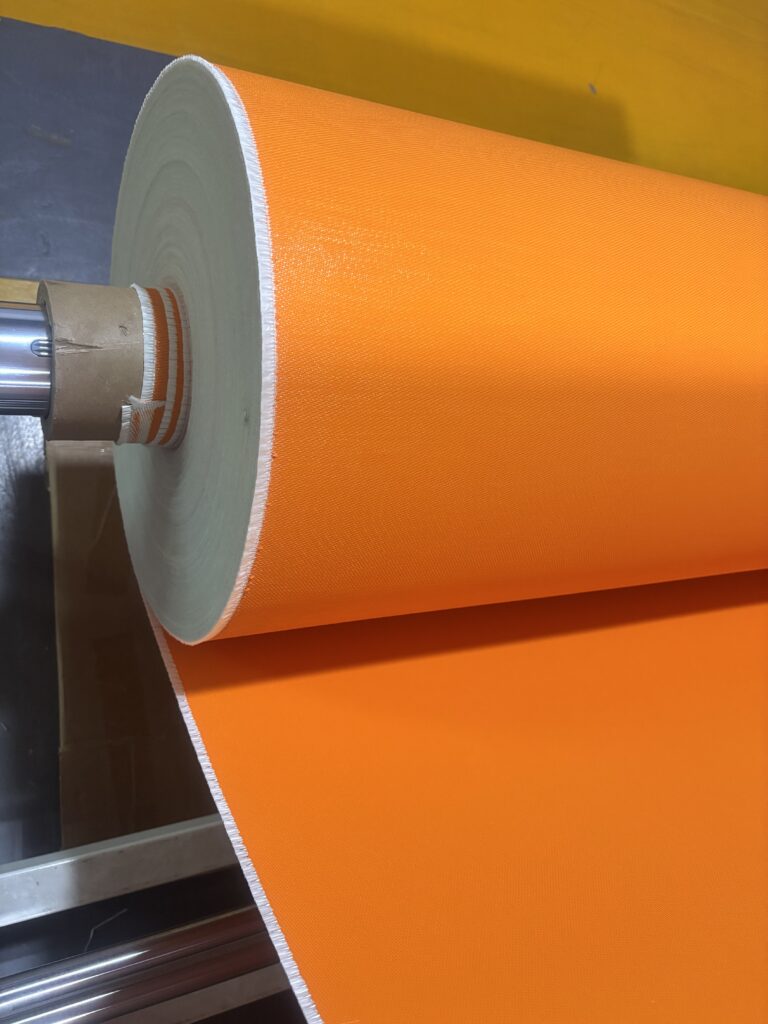
Silicone coated fiberglass cloth is produced by coating fiberglass fabric with silicone rubber. The fiberglass base cloth provides dimensional stability, tensile strength, and resistance to high temperatures, while the silicone coating improves flexibility, surface durability, and resistance to wear, moisture, and industrial exposure.
This combination creates a material that is not only heat resistant, but also easier to handle, cut, sew, wrap, or convert into finished products. That is why silicone coated fiberglass cloth is commonly used in insulation covers, protection curtains, heat shields, flexible connectors, and other industrial applications.
What Is the Base Material of Silicone Coated Fiberglass Cloth?
The base material is fiberglass fabric. Different fiberglass fabric styles can be selected according to the required thickness, weight, flexibility, and strength. Lighter styles are often preferred when flexibility and easier fabrication are important, while heavier styles are usually selected for stronger protection and more demanding industrial environments.
The fiberglass base cloth is the structural part of the material. It helps the finished product maintain good dimensional stability and mechanical performance even when exposed to heat and industrial working conditions.
How Does Silicone Coating Improve Fiberglass Cloth Performance?
Silicone coating adds important protective properties to the fiberglass fabric. It improves the surface durability of the material, enhances flexibility, and helps the fabric perform better in applications where wear resistance, weather resistance, and practical handling are important.
The coating also gives the material a cleaner and more finished surface compared with untreated fiberglass cloth. This makes silicone coated fiberglass cloth more suitable for industrial processing and end-use products where both function and appearance matter.
Key Features of Silicone Coated Fiberglass Cloth
Heat Resistance and Flame Protection
One of the most important features of silicone coated fiberglass cloth is its heat resistance. This makes it suitable for applications where the material may be exposed to elevated temperatures, hot surfaces, or heat shielding requirements. It is also widely used in flame protection applications, where durable and heat-resistant fabrics are needed.
Flexibility and Easy Fabrication
Another major advantage is flexibility. Unlike rigid insulation materials, silicone coated fiberglass cloth can be cut, sewn, wrapped, and fabricated more easily. This makes it suitable for OEM processing and for products that require shaping, covering, or custom dimensions.
Durability and Surface Protection
The silicone coating improves abrasion resistance and helps protect the fiberglass base fabric during use. In many industrial environments, this added protection is very important because the material may be exposed to repeated handling, movement, or surface wear.
Weather Resistance and Industrial Stability
Silicone coated fiberglass cloth is also a practical choice for industrial environments because it offers good stability under different working conditions. It is widely used where insulation, protection, and long-term performance are all required.
Where Is Silicone Coated Fiberglass Cloth Used?

Electrical Insulation AProductspplications
Silicone coated fiberglass cloth is commonly used in electrical insulation applications. It can be used for insulation covers, cable protection, barrier layers, and heat-resistant protective materials around electrical systems. In these applications, customers usually need a material that can combine insulation support, heat resistance, and durability.
Fire Protection Applications
Fire protection is one of the most common uses of silicone coated fiberglass cloth. It can be processed into fire-resistant barriers, safety curtains, welding protection materials, and other flame-related industrial products. This is an important application area for customers who need reliable heat and flame protection.
HVAC Insulation Applications
In HVAC systems, silicone coated fiberglass cloth can be used for flexible connectors, insulation protection, and heat-resistant components. It is a practical material where durability, flexibility, and temperature resistance are all important.
Thermal Insulation Applications
Thermal insulation is another major application field. Silicone coated fiberglass cloth is widely used for insulation wraps, removable insulation covers, equipment protection, and other thermal barrier systems. It is especially useful in projects where flexible insulation solutions are preferred.
Construction and Building Insulation Applications
Silicone coated fiberglass cloth is also suitable for building thermal insulation and construction-related heat protection. It can be used in expansion joints, insulation barrier systems, duct protection, and other construction environments where a durable heat-resistant fabric is needed.
Common Types of Silicone Coated Fiberglass Cloth
Lightweight and Flexible Fabric Styles
Some fiberglass base fabrics are lighter and more flexible, making them more suitable for wrapping, covering, and easier fabrication. These are often preferred in applications where handling and flexibility are important.
Heavy-Duty and High-Strength Fabric Styles
Other fiberglass fabric styles are heavier and stronger, making them more suitable for high-strength protection and more demanding insulation environments. These are often selected when durability and mechanical performance are more important than softness or flexibility.
How to Choose Between Different Fabric Specifications
Choosing the right silicone coated fiberglass cloth is not only about selecting a coated fabric. It is also about matching the correct fabric style, coating structure, and performance balance to the real working environment and end-use requirement.
How to Choose the Right Silicone Coated Fiberglass Cloth
Choose by Working Temperature
The first step is to understand the working temperature of the application. Buyers should confirm whether the material will face continuous heat exposure, short-term high temperatures, or general insulation conditions.
Choose by Application Environment
Different applications require different performance priorities. Electrical insulation, fire protection, HVAC systems, and construction insulation may all require different balances of flexibility, thickness, surface protection, and strength.
Choose by Thickness, Coating Type, and Flexibility
Thickness and coating structure are also important. In some projects, a lighter and more flexible material is preferred. In others, a thicker and stronger material is required for better mechanical performance and durability.
Choose by Fabrication and End Product Requirements
Buyers should also confirm how the fabric will be used. Will it be converted into covers, wraps, curtains, barriers, or connectors? The final product form affects the material choice.
Why Silicone Coated Fiberglass Cloth Is Widely Used in Industrial Applications
A Practical Balance of Heat Resistance and Durability
Silicone coated fiberglass cloth is widely used because it provides a practical combination of heat resistance, durability, flexibility, and processability. It performs better than many ordinary fabrics in high-temperature and protection-related environments, while still remaining suitable for fabrication and customization.
Suitable for OEM and Custom Fabrication
For manufacturers, contractors, and industrial buyers, this makes it a versatile solution for a wide range of projects. It can support both standard industrial uses and customized application-based requirements.
Conclusion
Silicone coated fiberglass cloth is a versatile industrial material used in electrical insulation, fire protection, HVAC, thermal insulation, and construction-related heat protection applications. By combining the strength of fiberglass fabric with the protective performance of silicone coating, it offers a practical solution for demanding industrial environments.
When choosing the right silicone coated fiberglass cloth, it is important to evaluate the working temperature, application environment, thickness, coating type, flexibility, and final product requirements. With the right specification, this material can provide reliable long-term performance in many different industrial uses.
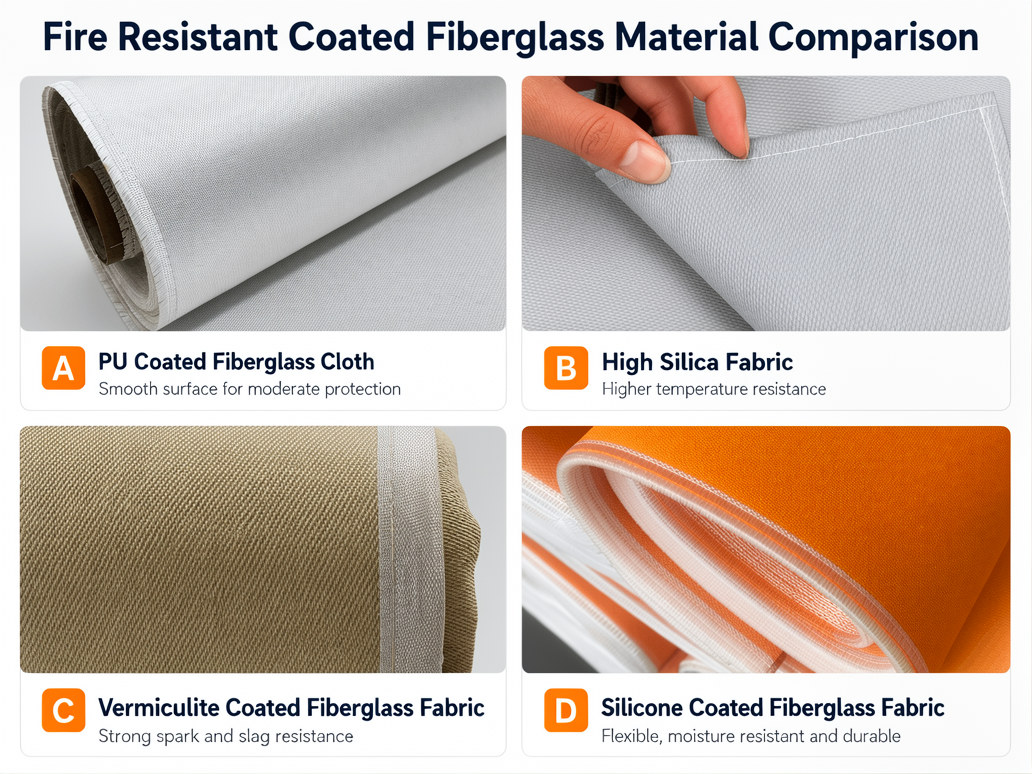
For material comparison and selection guidance, you can read our professional guide on silicone fiberglass cloth vs aluminum foil cloth.

 German
  English
  Russian
  Spanish
  Italian
  Arabic
  Portuguese