

Silicone coated fiberglass fabric is a versatile industrial material widely used in high-temperature environments, thermal insulation systems, fire protection applications, and industrial equipment. By combining the strength and heat resistance of fiberglass fabric with the flexibility and protective properties of a silicone rubber coating, this material offers excellent performance in demanding working conditions.
Today, silicone coated fiberglass cloth is increasingly used in industries such as manufacturing, automotive, aerospace, construction, and industrial equipment production.
In this article, we explore the most common applications of silicone coated fiberglass fabric, its key properties, and how to choose the right material for different industrial requirements.
What Is Silicone Coated Fiberglass Fabric?
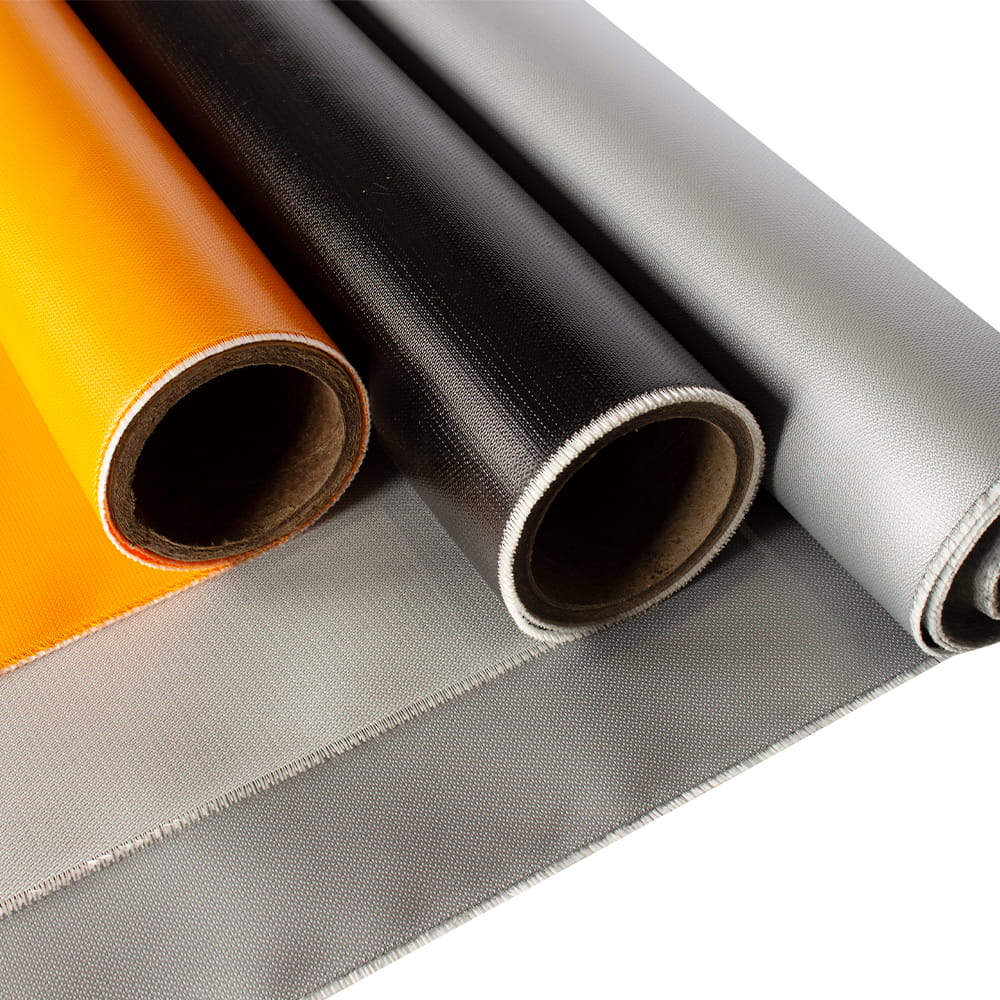
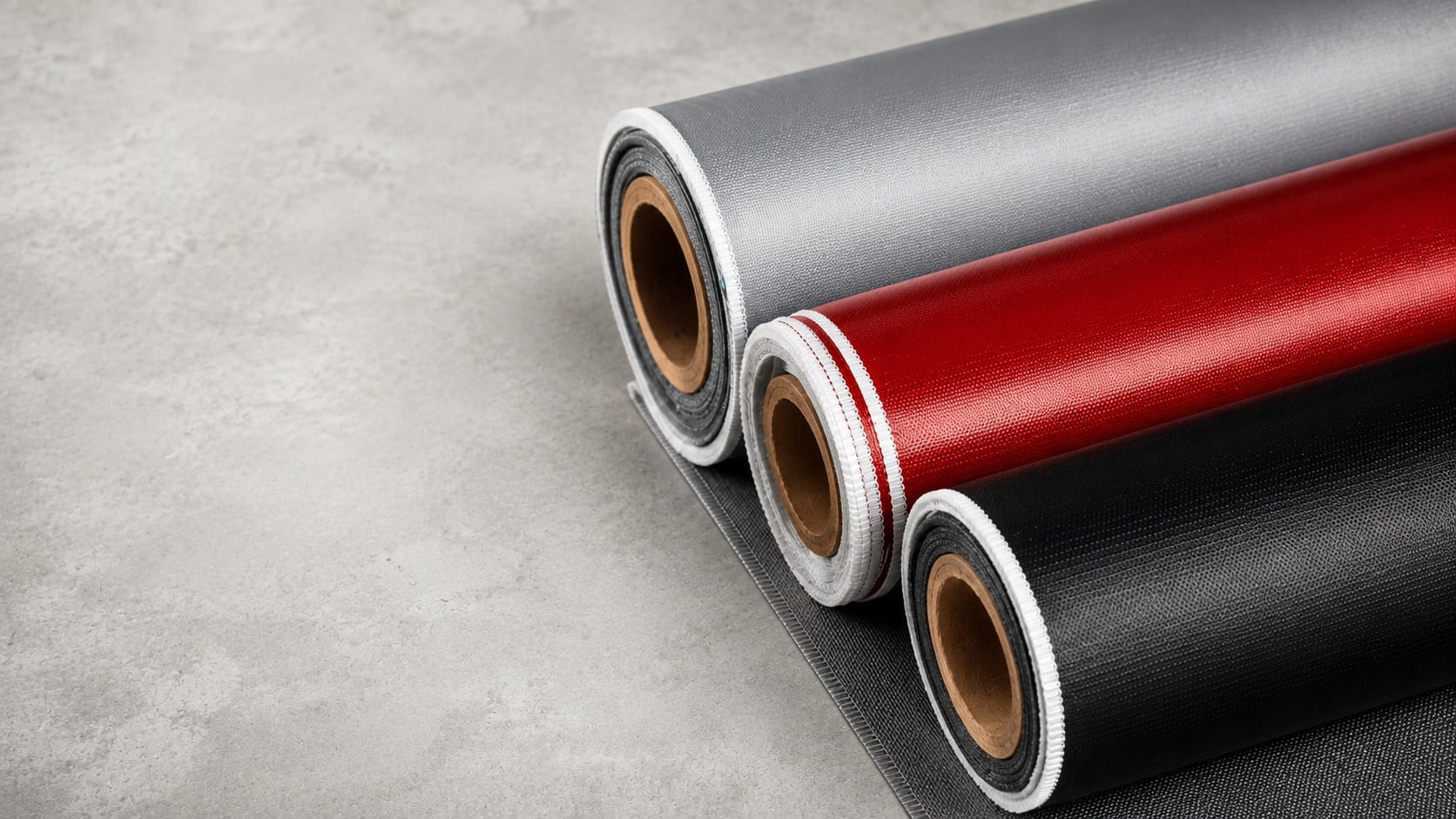
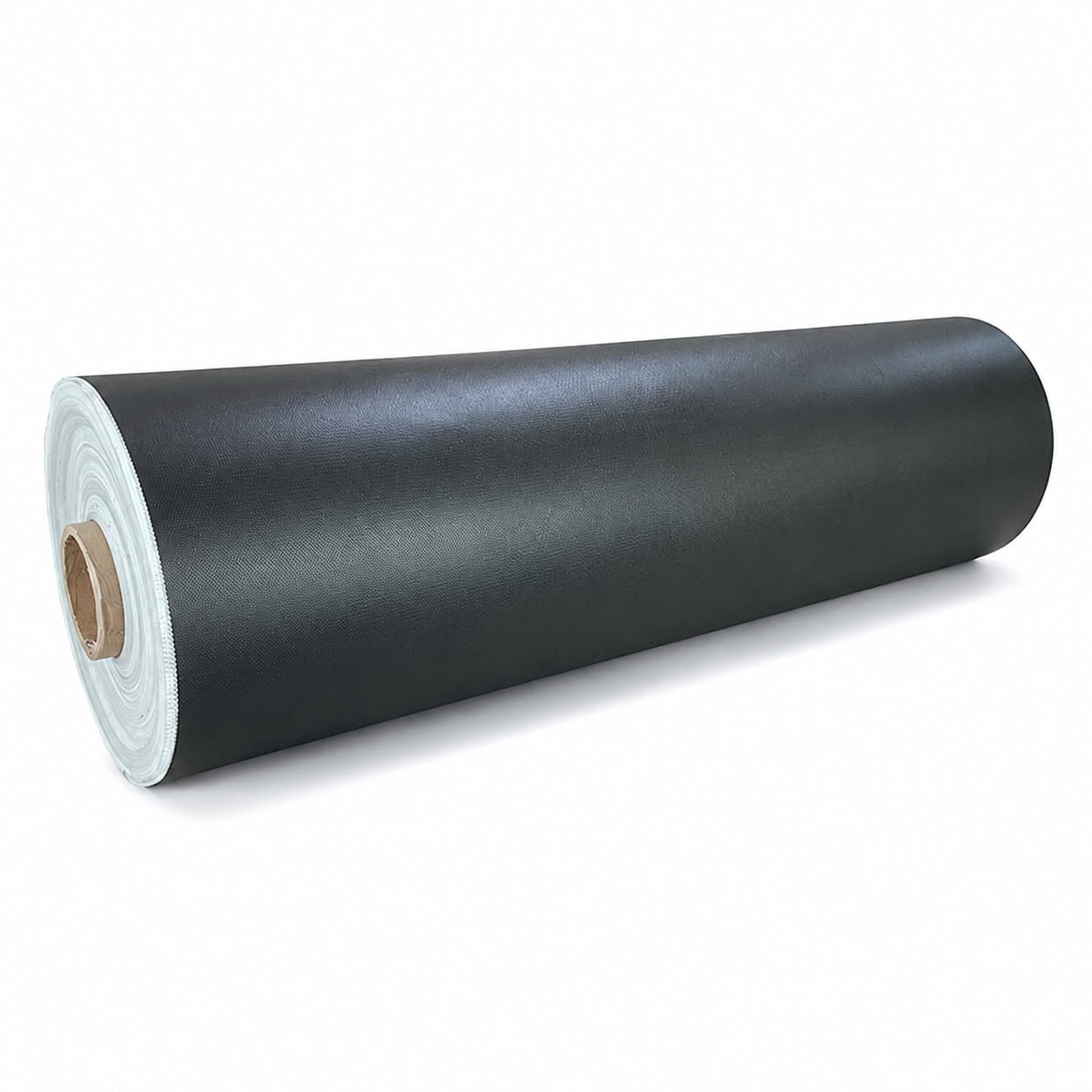
Silicone coated fiberglass fabric is manufactured by applying silicone rubber to one or both sides of a fiberglass fabric substrate.
The fiberglass base provides mechanical strength, dimensional stability, and thermal resistance, while the silicone coating improves surface protection, flexibility, water resistance, and resistance to many industrial chemicals.
Depending on the fiberglass substrate, silicone coating formulation, coating weight, and manufacturing process, silicone coated fiberglass fabric can be customized for different industrial applications.
Common product options include:
- Single-side silicone coated fiberglass fabric
- Double-side silicone coated fiberglass fabric
- Different fabric weights and thicknesses
- Various colors, including red, gray, black, and white
- Customized widths and roll lengths
These variations allow manufacturers to supply silicone coated fiberglass cloth for a wide range of industrial applications.
1. Industrial Thermal Insulation
One of the most common applications of silicone coated fiberglass fabric is industrial thermal insulation.
Factories and industrial facilities often operate equipment that generates significant heat. Without proper insulation, high temperatures can affect equipment performance, increase energy consumption, and create workplace safety risks.
Silicone coated fiberglass fabric is commonly used in:
- Removable insulation jackets
- Industrial pipe insulation covers
- Heat insulation blankets
- Equipment insulation covers
- Thermal protection systems
Its flexible structure makes it suitable for manufacturing removable insulation blankets and protective covers for valves, pipes, pumps, and other industrial equipment.
For industrial insulation manufacturers, silicone coated fiberglass fabric offers a practical combination of flexibility, durability, and surface protection.
2. Welding Blankets and Welding Protection
Welding operations produce sparks, molten metal spatter, and intense radiant heat. These hazards can damage nearby equipment, materials, and surrounding work areas.
Silicone coated fiberglass fabric is widely used in the production of welding blankets and welding curtains.
Its common applications include:
- Welding spark protection blankets
- Welding curtains and screens
- Industrial spark barriers
- Protective covers for welding equipment
- Metal fabrication workshop protection
The silicone coating provides additional surface protection and helps improve the handling characteristics of the fiberglass fabric.
However, the actual suitability of a fabric for welding applications depends on its construction, coating formulation, and resistance to sparks and molten metal. Buyers should select products according to the specific welding environment.
3. Fire Protection and Fire Safety Products
Fire protection is another important application of fiberglass-based fabrics.
Silicone coated fiberglass fabric can be used in certain fire protection products, protective covers, and industrial fire-resistant barriers.
Potential applications include:
- Industrial fire protection blankets
- Fire-resistant equipment covers
- Protective barriers
- Emergency fire protection products
- Heat-resistant protective enclosures
The fiberglass substrate provides thermal resistance, while the silicone coating offers additional surface protection.
For fire safety products, it is essential to distinguish between fire-resistant fabric and certified fire suppression products. Material performance alone does not establish that a finished product meets a particular fire safety standard.
Manufacturers should verify the relevant testing and certification requirements before selecting materials for fire protection applications.
4. Automotive and Transportation Industry
The automotive industry uses various heat-resistant materials to protect components from elevated temperatures.
Silicone coated fiberglass fabric can be used in selected automotive thermal management and protective applications, including:
- Heat shields
- Engine compartment protective covers
- Exhaust system insulation covers
- Thermal barriers
- Protective sleeves and flexible covers
Its flexibility allows it to be fabricated into different shapes and sizes, making it useful for customized automotive components.
In electric vehicle manufacturing, thermal management and fire protection are also important considerations. Silicone coated fiberglass fabric may be incorporated into selected protective systems, depending on the required temperature rating, electrical properties, and system design.
5. Expansion Joints and Flexible Connectors
Industrial ventilation systems, pipelines, and exhaust equipment often require flexible connections to accommodate vibration, thermal expansion, and mechanical movement.
Silicone coated fiberglass fabric is commonly used as a material for:
- Fabric expansion joints
- Flexible duct connectors
- HVAC flexible connectors
- Industrial air duct connections
- Flexible equipment connections
The fiberglass substrate provides dimensional stability, while the silicone coating helps protect the fabric surface from moisture and environmental exposure.
These properties make silicone coated fiberglass cloth a suitable material for certain flexible connection systems in industrial equipment.
6. Protective Covers for Industrial Equipment
Industrial equipment frequently operates in environments involving heat, dust, moisture, and mechanical wear.
Silicone coated fiberglass fabric can be fabricated into protective covers to help shield equipment and components from these conditions.
Typical applications include:
- Machine protective covers
- Heat-resistant equipment covers
- Industrial dust covers
- Protective covers for pipes and valves
- Insulation covers for industrial machinery
Compared with rigid protective materials, flexible fiberglass fabric is easier to cut, sew, shape, and install around equipment with complex geometries.
This makes it particularly useful for customized industrial protection solutions.
7. Aerospace and High-Temperature Industrial Applications
Silicone coated fiberglass fabric can also be used in selected aerospace-related and specialized industrial applications where flexible thermal protection materials are required.
Potential applications include:
- Thermal insulation covers
- Heat-resistant protective barriers
- Flexible insulation components
- Industrial thermal protection systems
The actual suitability depends on temperature exposure, weight requirements, mechanical properties, outgassing requirements, and applicable industry standards.
For demanding aerospace applications, buyers should evaluate the complete material specification rather than relying only on general heat resistance claims.
Key Advantages of Silicone Coated Fiberglass Fabric
Why do industrial manufacturers choose silicone coated fiberglass fabric instead of ordinary fiberglass cloth?
Several properties make it a valuable material for industrial applications.
1. Heat Resistance
The fiberglass substrate provides good thermal resistance. The maximum continuous operating temperature and short-term temperature resistance depend on the fiberglass construction and silicone coating formulation.
2. Flexibility
Silicone coated fiberglass fabric can be cut, sewn, fabricated, and formed into different shapes, making it suitable for insulation jackets, protective covers, and flexible connectors.
3. Water Resistance
The silicone coating helps reduce water penetration through the fabric surface, depending on coating coverage and construction.
4. Chemical Resistance
Silicone rubber offers resistance to many chemicals and environmental conditions. Specific chemical compatibility should always be verified before use.
5. Customization
Manufacturers can customize fabric thickness, weight, width, color, and coating type to meet different industrial requirements.
How to Choose the Right Silicone Coated Fiberglass Fabric
Selecting the right silicone coated fiberglass fabric is essential for ensuring product performance and service life.
Before purchasing, industrial buyers should consider the following factors:
| Selection Factor | What to Consider |
|---|---|
| Operating temperature | Continuous and short-term temperature requirements |
| Fabric thickness | Required strength, flexibility, and insulation structure |
| Fabric weight | Mechanical requirements and application conditions |
| Silicone coating | Single-side or double-side coating |
| Fabric width | Required dimensions for manufacturing |
| Color | Standard or customized color requirements |
| Application | Insulation, welding protection, flexible connectors, or equipment covers |
Working with an experienced silicone coated fiberglass fabric manufacturer can help buyers identify the appropriate material specifications for their projects.
Conclusion
Silicone coated fiberglass fabric is a versatile industrial material with applications in thermal insulation, welding protection, fire protection products, automotive components, flexible connectors, and industrial equipment covers.
Its combination of fiberglass strength and silicone coating properties makes it suitable for many demanding industrial environments.
For manufacturers, distributors, and industrial buyers looking for reliable silicone coated fiberglass fabric, choosing the right thickness, coating type, fabric weight, and temperature rating is essential.
Suihua Fiberglass provides silicone coated fiberglass fabric solutions for different industrial applications. We support customized specifications to meet various manufacturing and project requirements.
Contattateci to discuss your silicone coated fiberglass fabric requirements and find a suitable solution for your application.

 Italian
 English
 Russian
 Spanish
 Arabic
 Portuguese
 German