

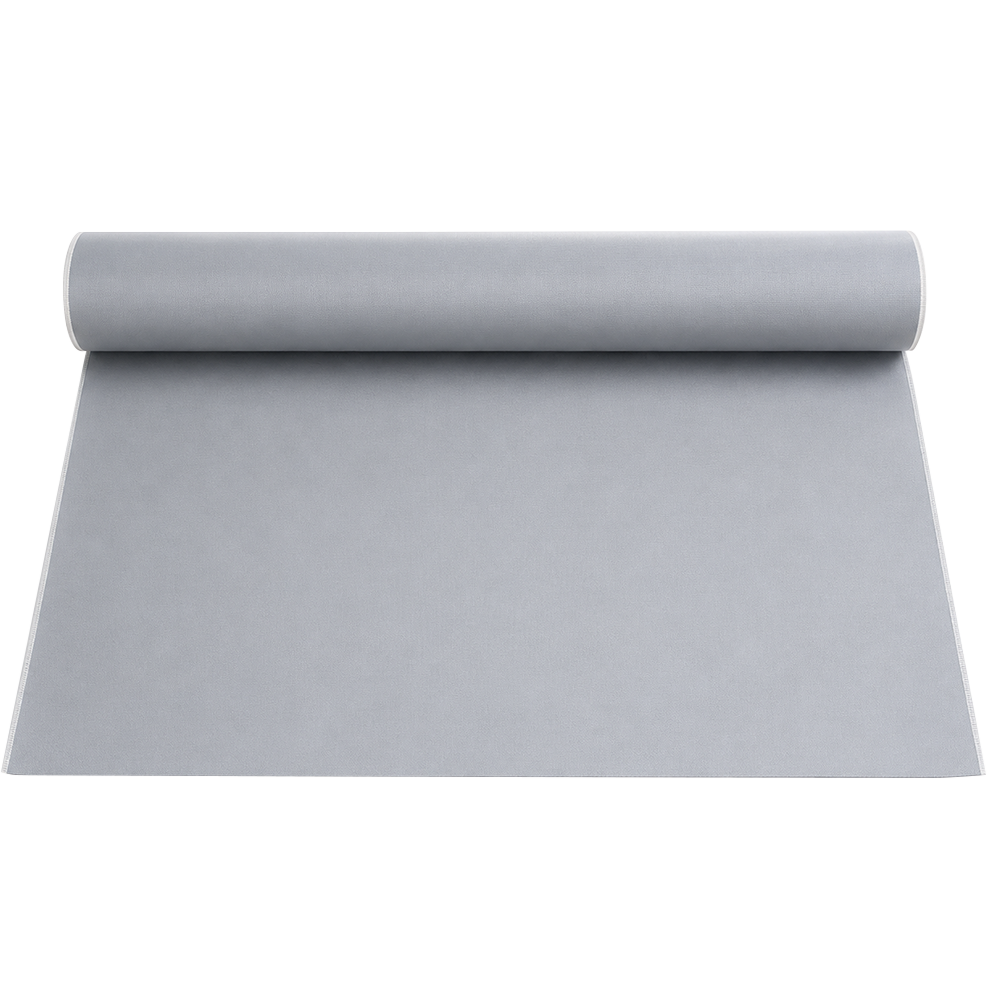
Silicone coated fiberglass fabric heat resistance is one of the key reasons this material is widely used in fire protection, thermal insulation, welding safety, electrical insulation and industrial heat shielding. Many buyers first ask whether fiberglass cloth is fireproof, but for demanding industrial applications, the more important question is how silicone coated fiberglass fabric performs under heat, flame, sparks and long-term working conditions.
The short answer is: fiberglass cloth is highly fire-resistant and non-combustible under many industrial conditions, but silicone coating makes it more suitable for finished industrial protection products. For demanding applications, silicone coated fiberglass fabric is often used because it provides better surface protection, durability, flexibility and handling performance than uncoated fiberglass cloth.
This guide explains silicone coated fiberglass fabric heat resistance, whether fiberglass cloth can burn, what temperature limits should be considered, and how to choose the right fiberglass fabric for welding protection, fire curtains, insulation covers and industrial heat protection.
Silicone Coated Fiberglass Fabric Heat Resistance and Fireproof Performance
When buyers ask about silicone coated fiberglass fabric heat resistance or “is fiberglass cloth fireproof,” they usually want to know whether the material can resist flame, sparks and high-temperature exposure in real working environments.
Fiberglass cloth itself is made from inorganic glass fibers, so it does not burn like cotton, polyester or other organic textile materials. However, in professional material selection, it is usually more accurate to describe fiberglass cloth as fire-resistant or non-combustible fiberglass fabric, rather than simply saying it is completely fireproof in every condition.
Silicone coated fiberglass fabric improves the practical performance of fiberglass cloth by adding a silicone rubber coating to one or both sides of the base fabric. This coating helps improve abrasion resistance, moisture resistance, surface sealing, flexibility and long-term usability in industrial applications.
The reason is simple: real working environments are different. A fabric used near welding sparks is not exposed to the same conditions as a fabric used as a fire curtain, an insulation jacket, a battery fire barrier or a direct flame shield.
Several factors affect heat and fire protection performance:
- Fiberglass fabric weight and thickness
- Type of fiberglass yarn
- Weaving structure
- Silicone coating type and coating weight
- Continuous working temperature
- Short-term heat exposure
- Direct flame contact or radiant heat
- Airflow, pressure and installation method
For buyers, the better question is not only “Is fiberglass cloth fireproof?” but also “Which silicone coated fiberglass fabric specification is suitable for my temperature, product design and application?”
Is Fiberglass Flammable?
Fiberglass itself is not easily flammable because it is made from inorganic glass fibers. This is why fiberglass fabric is widely used in high-temperature and fire protection applications.
But when people search “is fiberglass flammable”, they may be talking about different materials:
- Fiberglass cloth
- Fiberglass insulation
- Fiberglass mat
- Fiberglass composite materials
- Fiberglass products with resin, adhesive or coating
This difference is important. Pure fiberglass fabric has excellent fire resistance, but some fiberglass composite products may contain resin, binder, adhesive or surface treatments that can affect fire performance.
For industrial safety applications, buyers should confirm the full material structure, not just the word “fiberglass.” To answer “is fiberglass cloth fireproof” correctly, it is important to distinguish pure fiberglass cloth from fiberglass products that contain resin, binder or adhesive.
For many industrial buyers, silicone coated fiberglass fabric provides a more practical solution because it combines the heat resistance of fiberglass cloth with a durable coated surface that is easier to process into finished products.
Does Fiberglass Burn?
Fiberglass cloth does not burn like normal textile fabric. Under high heat, fiberglass may soften, lose strength or become brittle depending on the temperature and exposure time. If the fabric has a coating, the coating may have a different temperature rating from the base fiberglass cloth.
This is why silicone coated fiberglass fabric heat resistance should be evaluated by both:
- Base fiberglass fabric temperature resistance
- Silicone coating temperature resistance
For example, silicone coated fiberglass fabric combines woven fiberglass cloth with a silicone rubber surface coating. The fiberglass base provides heat resistance, while the silicone coating improves flexibility, weather resistance, abrasion resistance and surface protection.
In finished products such as welding blankets, fire curtains, insulation covers and equipment protection covers, this coated structure is often more useful than uncoated fiberglass cloth because it improves handling and durability.
What Is the Temperature Limit of Silicone Coated Fiberglass Fabric?
To understand silicone coated fiberglass fabric heat resistance in real applications, buyers should compare both continuous working temperature and short-term flame exposure.
The temperature limit of fiberglass cloth depends on the product grade and working conditions. Many industrial fiberglass fabrics are selected for applications involving heat, sparks and high-temperature equipment protection. Heavy-duty fiberglass fabrics generally perform better than lightweight fabrics in demanding environments.
When checking a fiberglass temperature rating, buyers should distinguish between:
Continuous Working Temperature
This refers to the temperature the material can withstand for longer periods during normal operation. For insulation jackets, pipe covers and heat shielding curtains, continuous working temperature is usually more important than short-term flame contact.
Short-Term Exposure Temperature
This refers to temporary heat exposure, such as sparks, flame contact or sudden high-temperature impact. Welding blankets and fire barriers often require good short-term heat protection performance.
Base Fabric Limit
This refers to the woven fiberglass fabric itself. The base fabric structure affects tensile strength, flexibility, thickness and heat resistance.
Silicone Coating Limit
This refers to the silicone coating applied to the fabric. In many projects, the coating is not only used for heat resistance. It also improves handling, durability, water resistance, oil resistance, dust resistance and finished product appearance.
For this reason, buyers should not select silicone coated fiberglass fabric only by one temperature number. The correct choice should consider the full working environment and product structure.
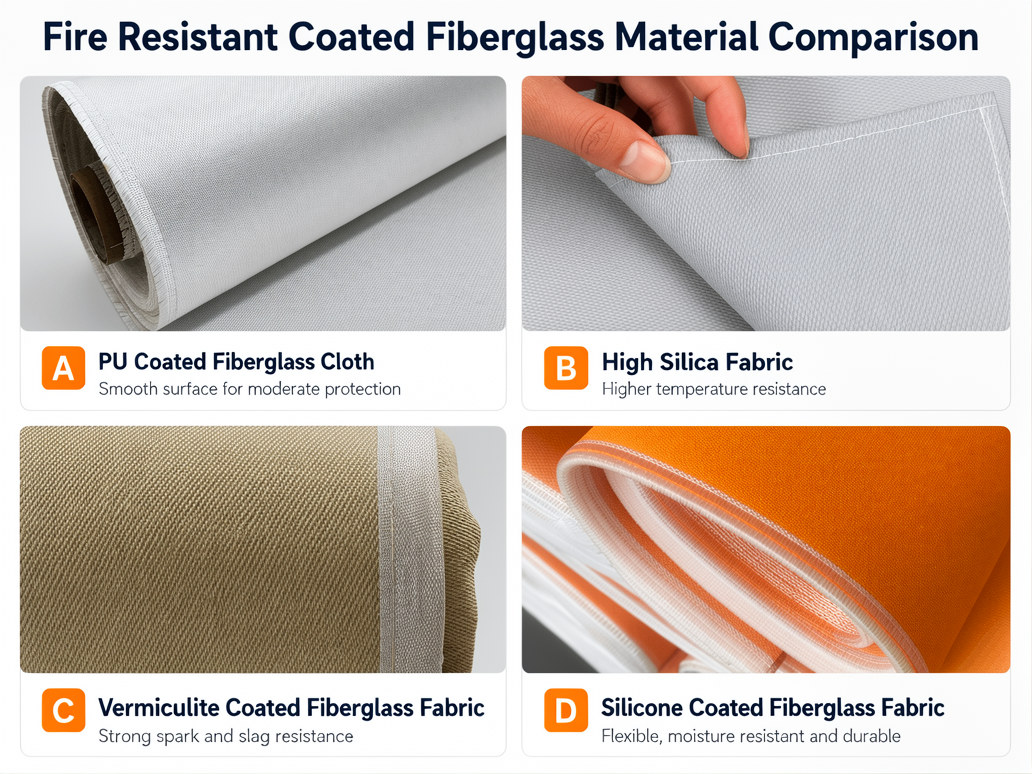
Fiberglass Cloth vs. Silicone Coated Fiberglass Fabric
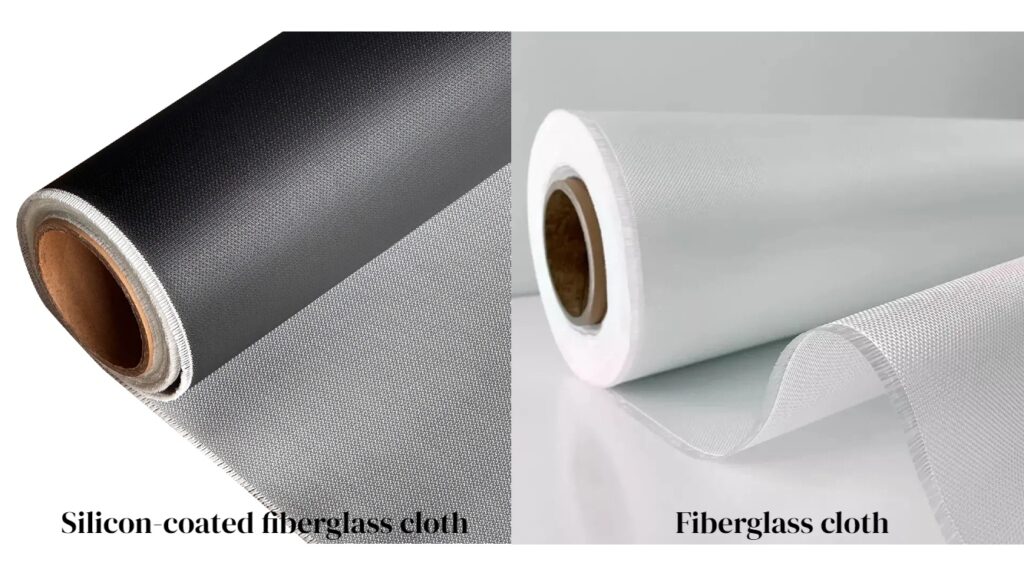
Uncoated fiberglass cloth is suitable for basic insulation and heat-resistant applications. However, silicone coated fiberglass fabric is often preferred when the material needs better surface protection, long-term durability and finished product processing performance.
Uncoated Fiberglass Cloth
Uncoated fiberglass cloth is lightweight, flexible and suitable for many heat insulation uses. It can be used as a base material for insulation layers, composite reinforcement or simple thermal protection.
However, the surface may be easier to fray, absorb dust or become less convenient for cutting, sewing and commercial finished product manufacturing.
Silicone Coated Fiberglass Fabric
Silicone coated fiberglass fabric is made by applying silicone rubber to one or both sides of woven fiberglass cloth. This gives the material better surface strength and makes it easier to use in finished products.
Common advantages include:
- Better abrasion resistance
- Improved flexibility
- Better surface sealing
- Easier cutting and sewing
- Better moisture resistance
- Better finished product appearance
- Suitable for customized industrial safety products
This is why silicone coated fiberglass fabric is widely used for welding blankets, fire curtains, insulation covers, pipe jackets, fireproof barriers and heat-resistant protective products.
Where Is Fire-Resistant Silicone Coated Fiberglass Fabric Used?
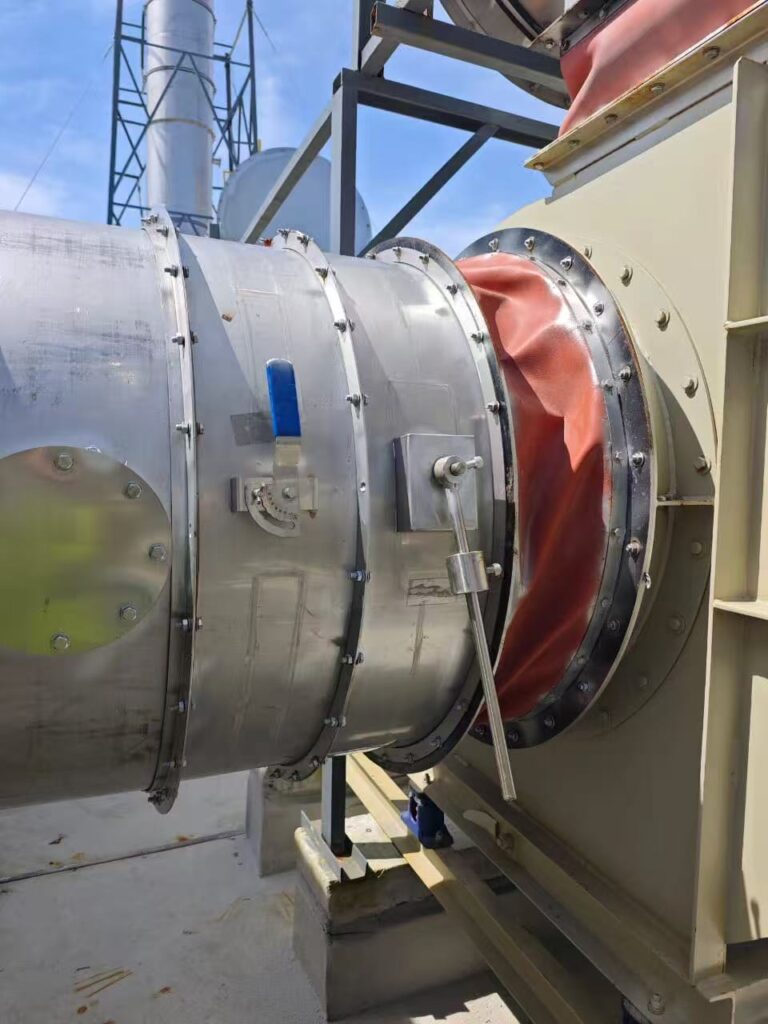
Fire-resistant silicone coated fiberglass cloth is used across many industrial fields where heat, flame, sparks or thermal insulation are important. In these applications, silicone coated fiberglass fabric heat resistance helps protect equipment, workers and surrounding materials from high-temperature risks.
1. Welding Protection
Welding operations generate sparks, spatter and radiant heat. Fiberglass cloth and silicone coated fiberglass fabric can be used for welding blankets, welding screens and protective covers to help reduce fire risks around the work area.
2. Fire Curtains and Fire Barriers
Heavy-duty silicone coated fiberglass fabrics are used in fire curtains and fire barrier systems. These applications usually require strong heat resistance, dimensional stability, coating adhesion and reliable finished product construction.
3. Pipe and Equipment Insulation
Silicone coated fiberglass fabric is commonly used as the outer layer of removable insulation jackets. It helps protect insulation materials and improves the durability of thermal insulation systems.
4. Electrical Insulation
In electrical insulation applications, silicone coated fiberglass fabric can provide flexible protection for cables, equipment and components exposed to heat or demanding working conditions.
5. EV Battery and Energy Storage Protection
As electric vehicles and energy storage systems become more common, heat-resistant fiberglass materials are increasingly used in battery protection, thermal barriers and fire containment applications. Silicone coated fiberglass fabric can be converted into EV fire blankets, battery fireproof covers and other customized safety products.
6. Industrial Heat Shielding
Factories, power plants, shipyards and manufacturing facilities often use silicone coated fiberglass fabric for heat shielding, equipment protection and worker safety applications.
How to Choose the Right Silicone Coated Fiberglass Fabric for Heat Protection
Choosing the right fiberglass cloth is not only about selecting the highest temperature rating. The material must match the actual working environment. For industrial buyers, silicone coated fiberglass fabric heat resistance should be evaluated together with coating type, thickness, flexibility and finished product requirements.
Before purchasing, buyers should confirm:
- Required working temperature
- Direct flame or radiant heat exposure
- Indoor or outdoor use
- Chemical, oil or moisture exposure
- Required fabric thickness
- One-sided or double-sided silicone coating
- Need for cutting, sewing or finished product processing
- Required roll width and color
- Packaging and OEM branding requirements
- Whether certification or testing documents are required
For B2B buyers, especially distributors, engineering contractors and OEM brands, stable material quality and reliable production capacity are just as important as the temperature rating.
Why Industrial Buyers Choose Silicone Coated Fiberglass Fabric
Silicone coated fiberglass fabric offers a practical balance of heat resistance, flexibility and finished product processing performance. It can be supplied in rolls or converted into different protective products.
Common finished products include:
- Welding blankets
- Fire curtains
- Fireproof covers
- Removable insulation jackets
- Pipe insulation covers
- Fire-resistant equipment covers
- Battery fire containment covers
- Industrial heat protection barriers
For bulk buyers, the material can be customized by thickness, coating weight, color, width, packaging and product design. This makes it suitable for industrial safety distributors, insulation contractors, fire protection suppliers and OEM brands.
Custom Silicone Coated Fiberglass Fabric from Suihua Fiberglass
Suihua Fiberglass supplies silicone coated fiberglass fabric for fire protection, thermal insulation, welding safety, electrical insulation and industrial heat shielding applications.
For a broader range of fiberglass products, including fire blankets, welding blankets, fiberglass fabrics and customized safety solutions, you can also visit our main product website: Suihua Fiberglass.
Available customization options include:
- Different fiberglass fabric weights
- One-sided or double-sided silicone coating
- Custom thickness and roll width
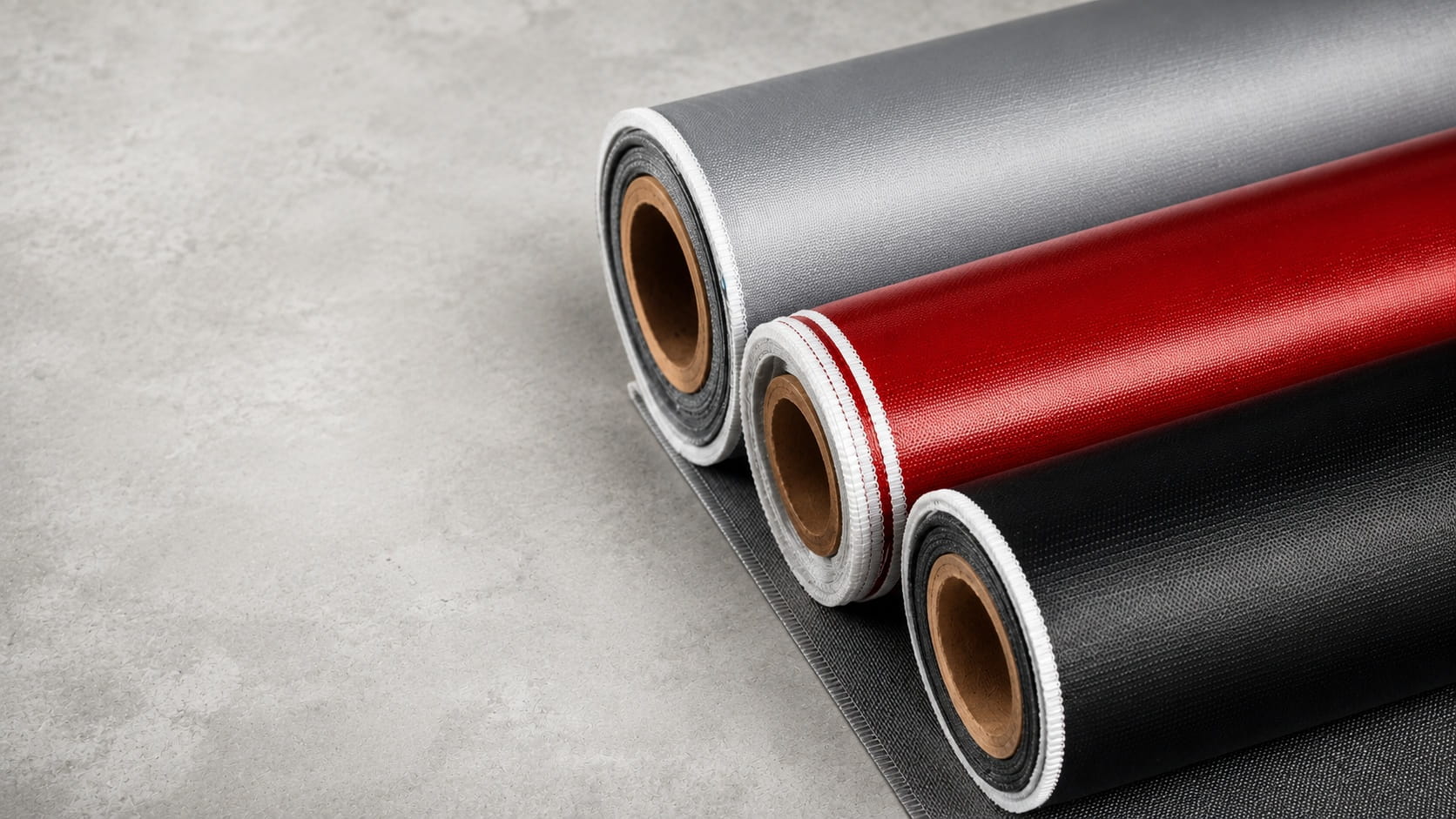
- White, gray, black, orange and red color options
- Cutting and sewing service
- OEM packaging
- Finished product manufacturing
Our silicone coated fiberglass fabric can be used for rolls, welding blankets, insulation covers, fire-resistant barriers, fire curtains and other customized fiberglass safety products.
If you are looking for heat-resistant fiberglass cloth for industrial use, our team can help recommend suitable material specifications based on your application, working temperature and project requirements.
FAQ About Silicone Coated Fiberglass Fabric Heat Resistance
What does silicone coated fiberglass fabric heat resistance mean?
Silicone coated fiberglass fabric heat resistance refers to the ability of coated fiberglass fabric to withstand heat, sparks, radiant temperature and short-term flame exposure while maintaining flexibility and surface protection for industrial use.
Is fiberglass cloth fireproof?
Yes, fiberglass cloth is highly fire-resistant. However, when asking “is fiberglass cloth fireproof,” buyers should also consider fabric weight, coating type, working temperature and exposure time. For many finished products, silicone coated fiberglass fabric is more practical than uncoated fiberglass cloth.
Is fiberglass flammable?
Pure fiberglass is not easily flammable. But fiberglass composite materials may contain resin, binder or coating, so the full material structure should always be checked.
Does fiberglass burn?
Fiberglass cloth does not burn like normal textile fabric. Under extreme heat, it may soften, weaken or become brittle depending on exposure conditions.
What is silicone coated fiberglass fabric used for?
Silicone coated fiberglass fabric is used for welding protection, fire curtains, insulation covers, electrical insulation, heat shielding, pipe insulation, EV battery safety and industrial safety products.
Is silicone coated fiberglass fabric better than uncoated fiberglass cloth?
For many industrial applications, silicone coated fiberglass fabric offers better surface protection, abrasion resistance, moisture resistance and processing performance than uncoated fiberglass cloth.
How do I choose the right silicone coated fiberglass fabric temperature rating?
You should consider working temperature, direct flame exposure, fabric thickness, coating type, application environment and whether the material needs to be converted into finished products.
Conclusion
Silicone coated fiberglass fabric heat resistance is essential for fire protection, thermal insulation, welding safety and industrial heat shielding applications. Fiberglass cloth provides a reliable heat-resistant base material, while silicone coating improves surface protection, flexibility and finished product durability.
So, is fiberglass cloth fireproof? In most industrial heat protection applications, fiberglass cloth provides strong fire resistance, but the right specification must be selected according to the actual working conditions.
However, choosing the right material depends on more than one temperature number. Buyers should consider fabric structure, coating type, exposure time, working environment and finished product requirements.
For demanding industrial use, silicone coated fiberglass fabric provides better durability, flexibility and customization potential. It is suitable for welding protection, fire curtains, insulation jackets, electrical insulation, EV battery safety and industrial heat shielding.
If you need silicone coated fiberglass cloth for fire protection or high-temperature insulation, contact Suihua Fiberglass for material recommendations, samples and customized silicone coated fiberglass fabric solutions.

 English
  Russian
  Spanish
  Italian
  Arabic
  Portuguese
  German