

Introduction
In modern industry, electrical insulation materials must do more than simply resist voltage. They also need to perform well in high-temperature environments, maintain mechanical stability, and remain reliable during long-term use. That is why electrical insulation silicone coated fiberglass cloth has become a widely used material in industrial insulation systems.
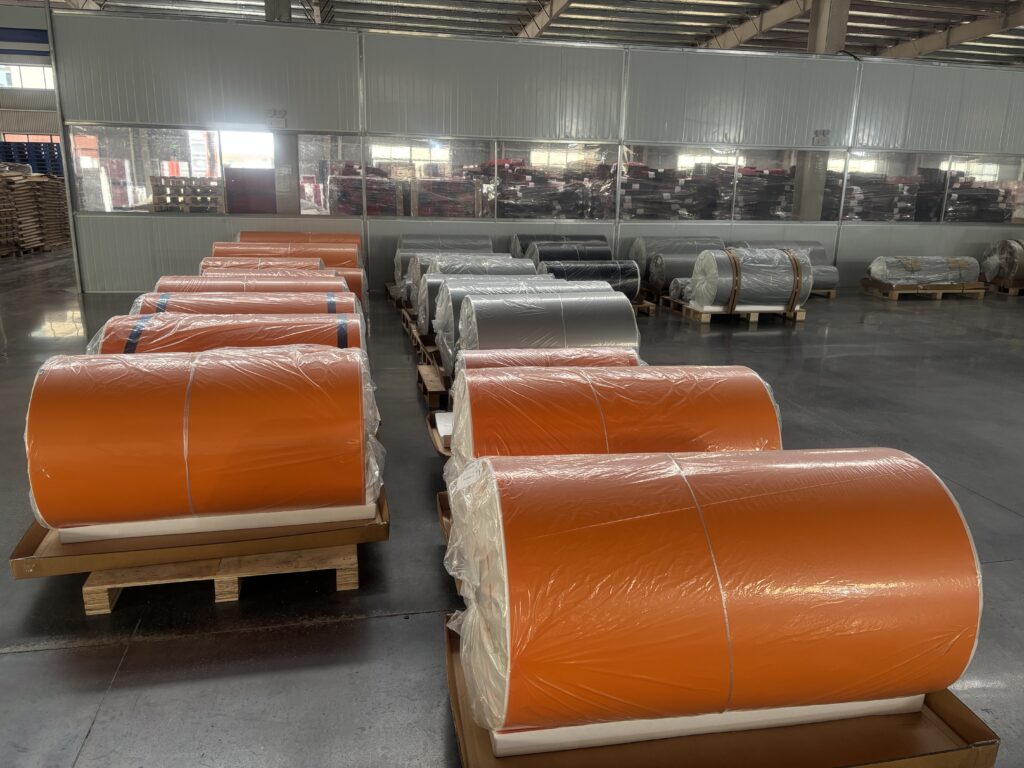
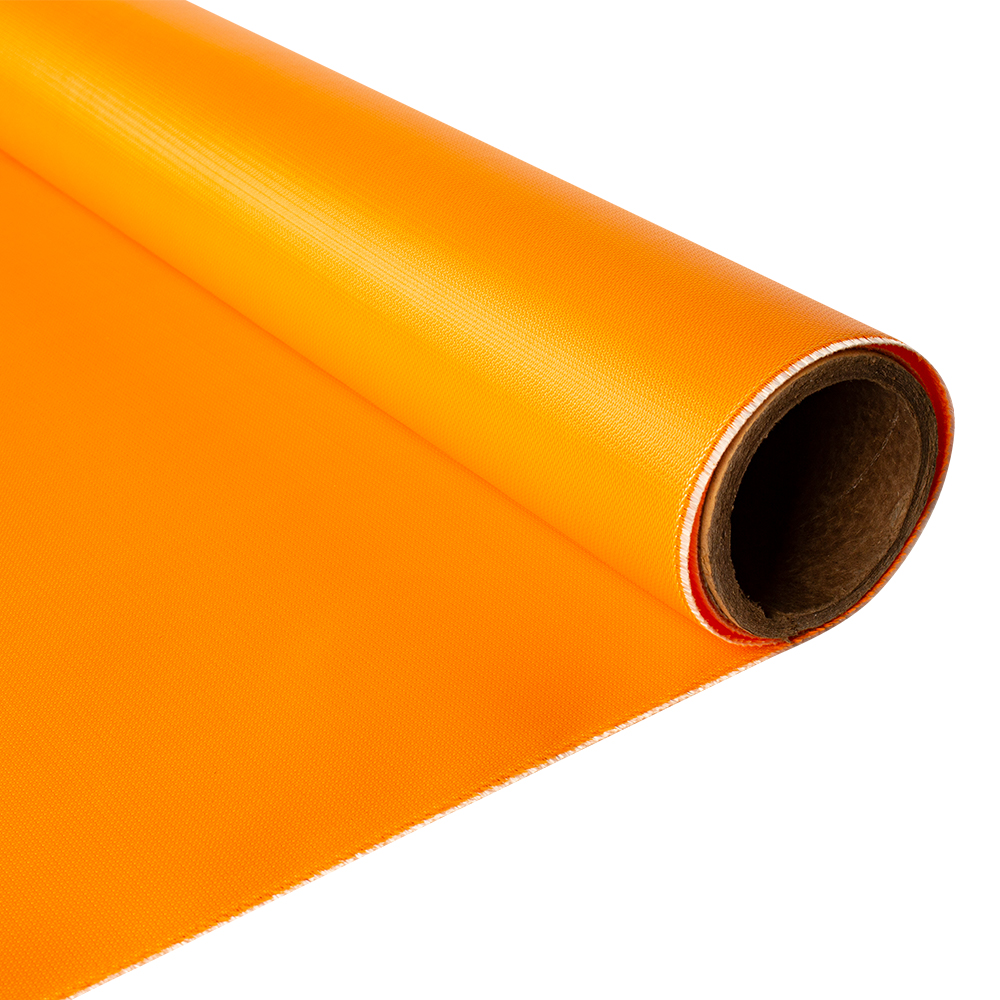
By combining a strong fiberglass base fabric with a protective silicone coating, this material offers a practical balance of insulation performance, heat resistance, flexibility, and durability. It is commonly used in electrical equipment, cable protection, thermal insulation systems, motors, transformers, and other demanding industrial applications.
What Is Electrical Insulation Silicone Coated Fiberglass Cloth?

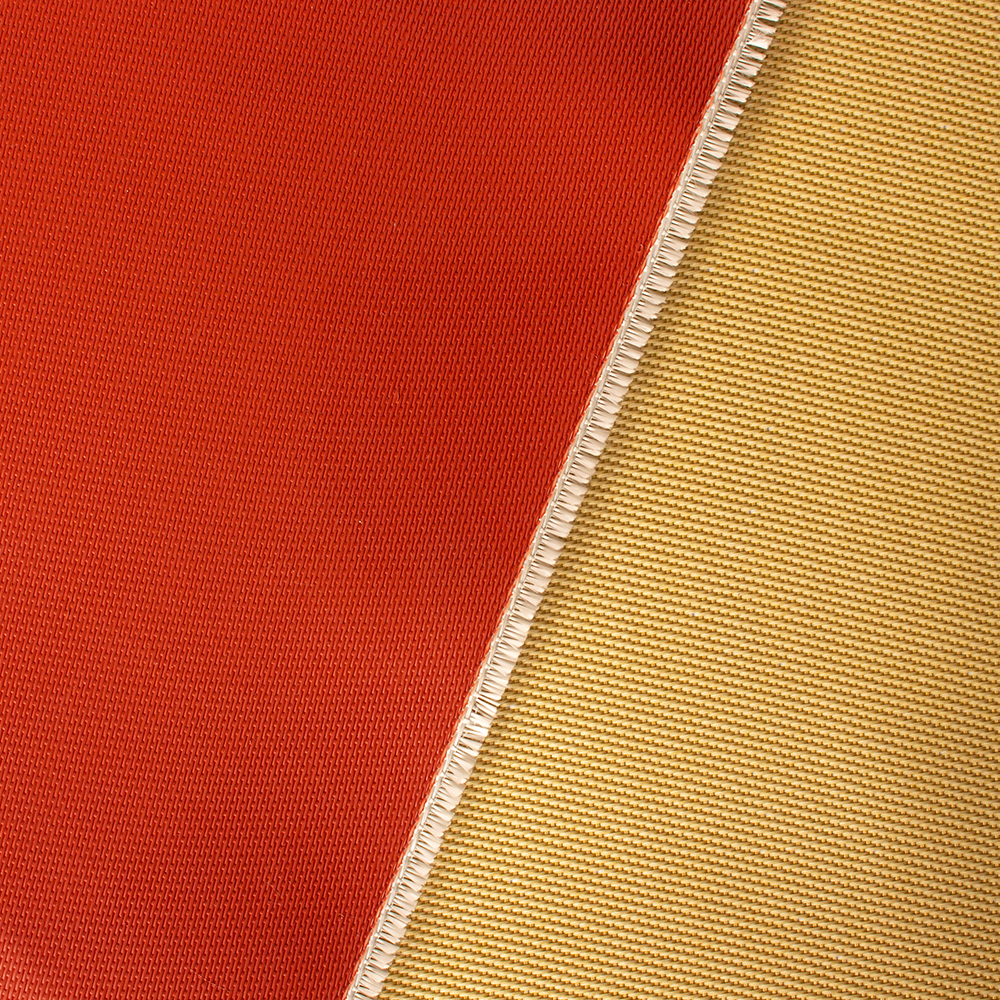
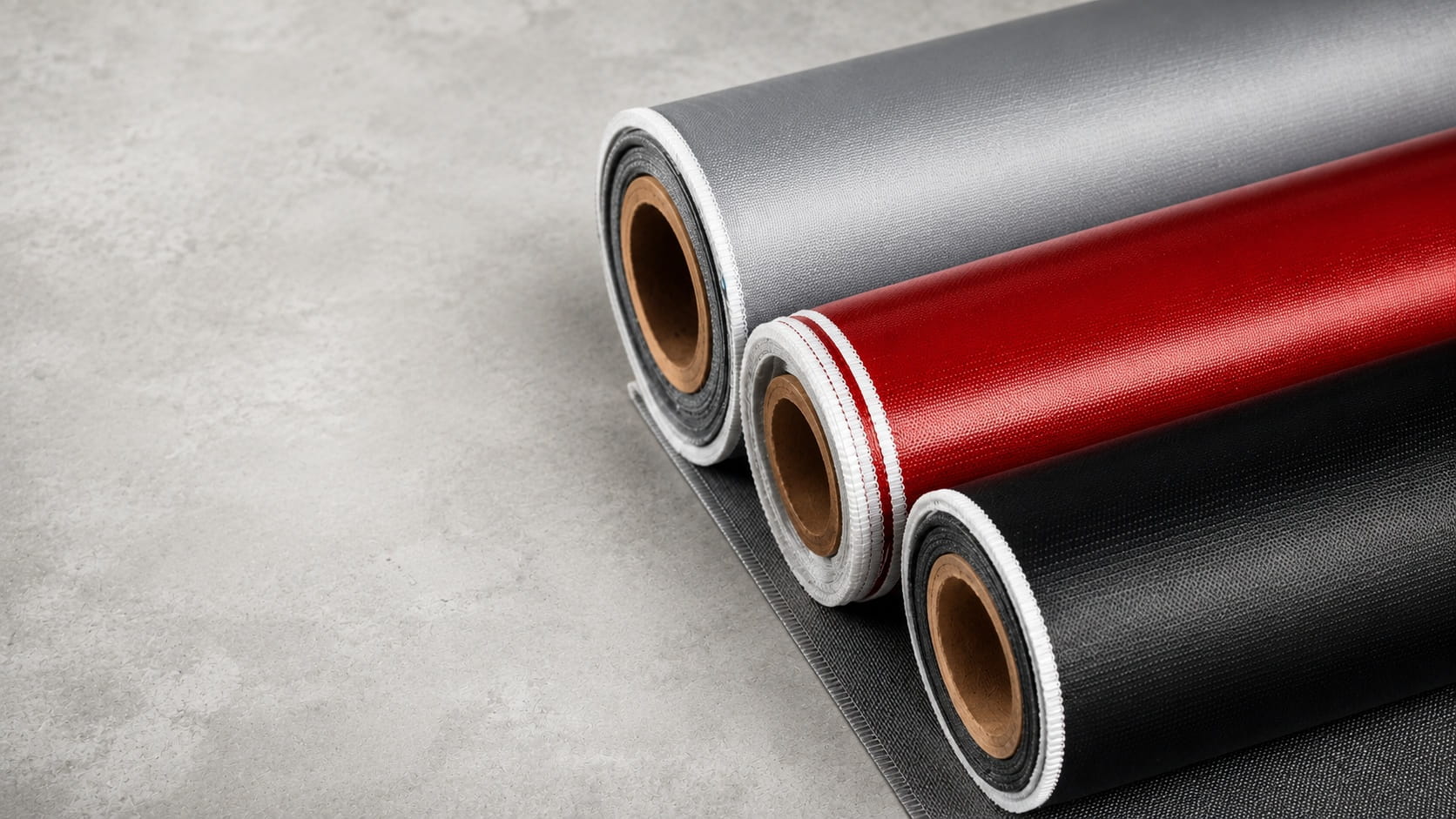
Electrical insulation silicone coated fiberglass cloth is a fiberglass fabric coated with silicone rubber on one side or both sides. The fiberglass base provides heat resistance, dimensional stability, and mechanical strength, while the silicone coating improves flexibility, surface durability, and resistance to moisture and environmental exposure.
This combination makes the material suitable for applications where both electrical insulation and high-temperature resistance are required.
Compared with uncoated fiberglass fabric, silicone coated fiberglass cloth is easier to handle, more durable on the surface, and better suited for demanding industrial environments.
Why It Is Widely Used in Electrical Insulation Applications
Electrical systems often operate under heat, vibration, pressure, and continuous load. In these environments, ordinary materials may lose performance or become less reliable over time. Silicone coated fiberglass cloth helps solve these problems by offering a more stable insulation solution.
Its main advantages include:
- good electrical insulation performance
- excellent heat resistance
- strong mechanical strength
- flexibility for processing and fabrication
- better surface protection
- resistance to moisture and harsh working conditions
Because of these properties, electrical insulation silicone coated fiberglass cloth is widely selected for projects that require both safety and long-term service life.
Key Benefits of Silicone Coated Fiberglass Cloth for Electrical Insulation
Reliable Insulation Performance
One of the main reasons buyers choose this material is its stable electrical insulation performance. It helps separate and protect electrical components, reducing the risk of insulation failure in demanding environments.
Heat Resistance
Industrial electrical systems often generate high temperatures during operation. Fiberglass fabric provides strong resistance to heat, while the silicone coating adds extra surface protection and improves material stability.
Flexibility and Easy Fabrication
Silicone coated fiberglass cloth can be cut, wrapped, sewn, or processed into different forms depending on the final application. This makes it suitable for both standard and customized insulation designs.
Improved Surface Durability
The silicone coating helps improve abrasion resistance and makes the cloth easier to handle during installation and daily use. This is especially useful in industrial environments where the material may be exposed to repeated movement or mechanical contact.
Long-Term Practical Value
For industrial buyers, choosing the right insulation material is not only about initial cost. Stable quality, reliable performance, and long service life are equally important. Silicone coated fiberglass cloth offers a practical balance of performance and durability.
Common Applications of Electrical Insulation Silicone Coated Fiberglass Cloth
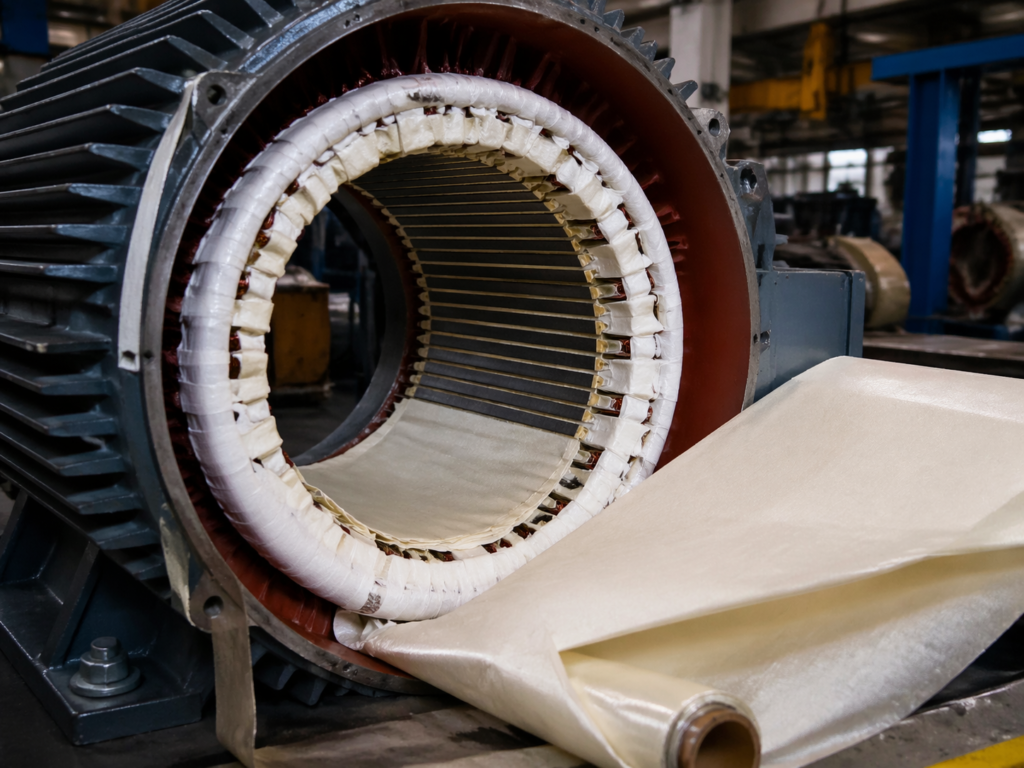
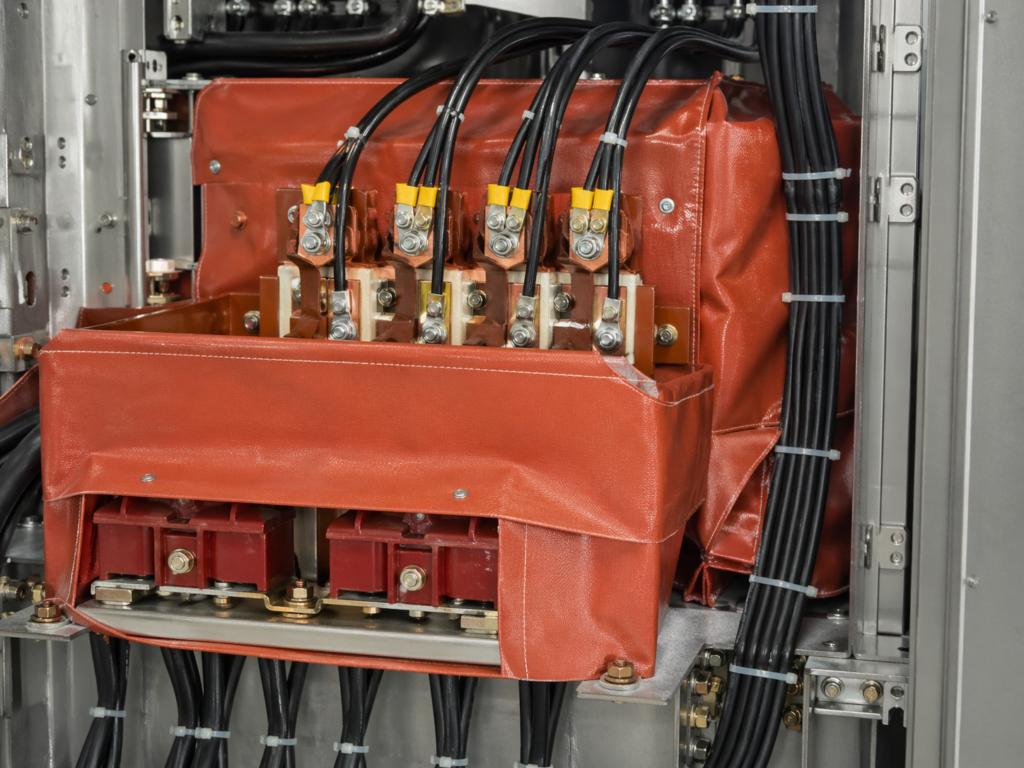
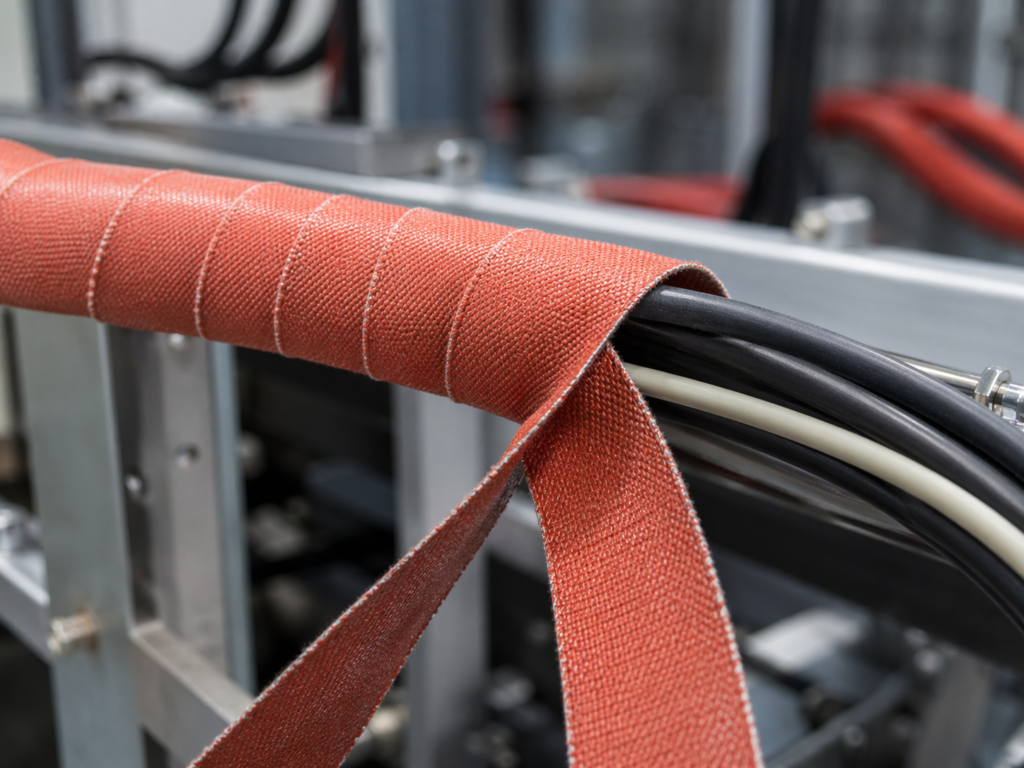
Transformer Insulation
It can be used in transformer systems that require heat resistance and reliable insulation support.
Motor and Generator Protection
The material is suitable for insulation protection in motors and generators that operate under heat and vibration.
Cable and Wire Protection
Silicone coated fiberglass cloth can be used as wrapping material or outer protection for cables and wires in industrial systems.
Flexible Connectors and Protective Covers
Because of its flexibility and heat resistance, it is often used for protective covers, insulation barriers, and flexible connector applications.
General Industrial Electrical Equipment
The material is also suitable for various industrial electrical insulation systems where consistent performance is required.
Single-Sided vs. Double-Sided Silicone Coating
Industrial buyers often ask whether single-sided or double-sided silicone coated fiberglass cloth is the better choice. The answer depends on the application.
- Single-sided silicone coating is suitable when only one working surface requires enhanced protection or insulation support.
- Double-sided silicone coating is often preferred when both sides need better durability, improved handling, or stronger overall protection.
The right option depends on your required specification, working environment, thickness, and product design.
How to Choose the Right Electrical Insulation Silicone Coated Fiberglass Cloth
Choosing the right material requires more than comparing prices. Buyers should also consider the actual application environment and technical requirements. Important factors include:
- fiberglass base cloth thickness
- coating type and coating side
- required working temperature
- insulation performance requirements
- width and roll length
- flexibility and fabrication needs
- moisture resistance requirements
- supplier production capability and consistency
A professional manufacturer can help recommend the most suitable specification based on your end use.
Why Manufacturing Capability Matters
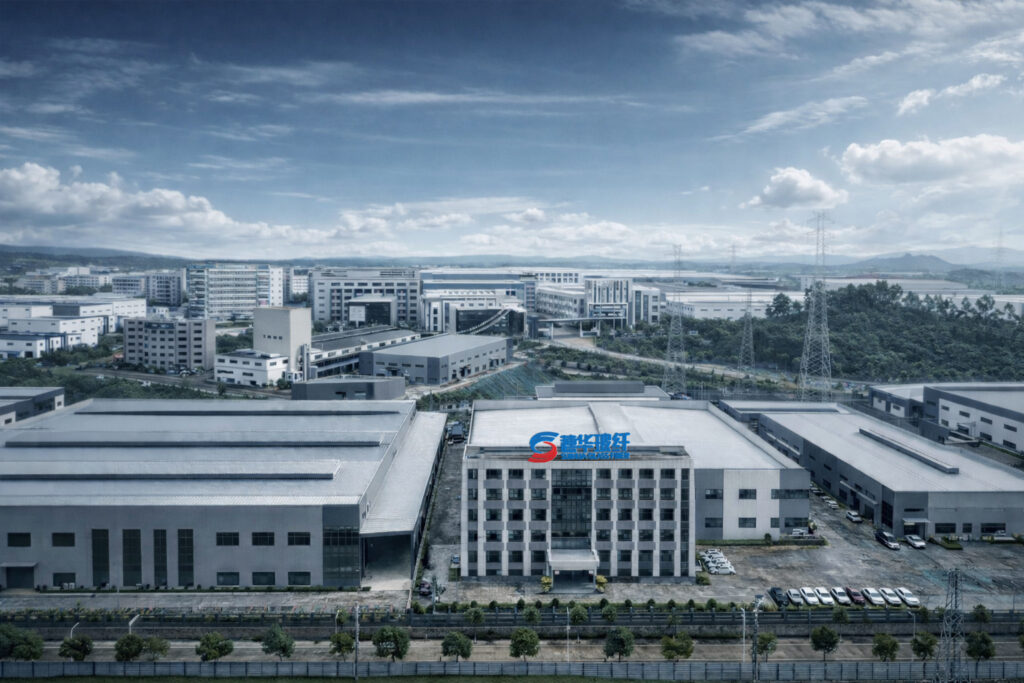
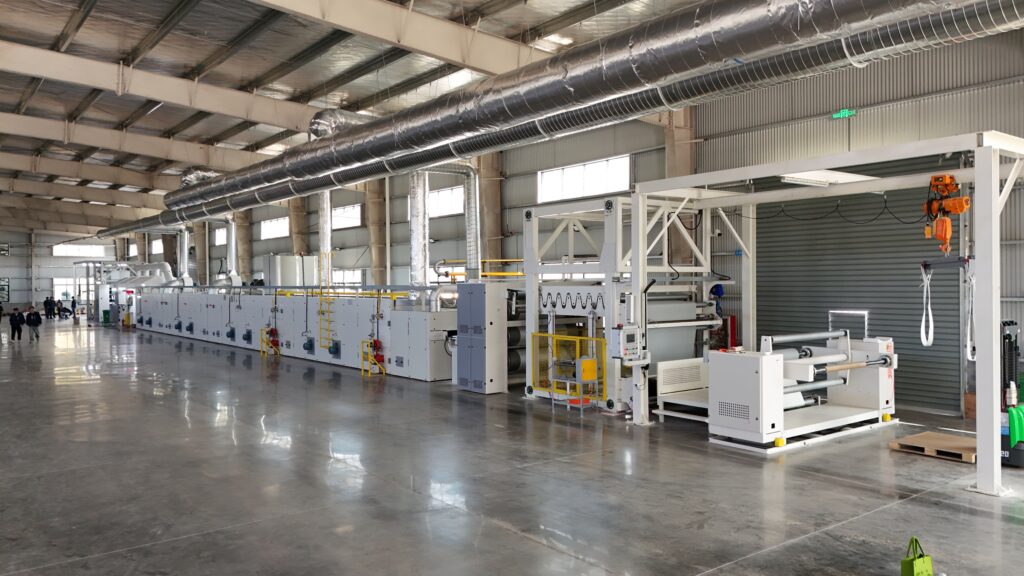
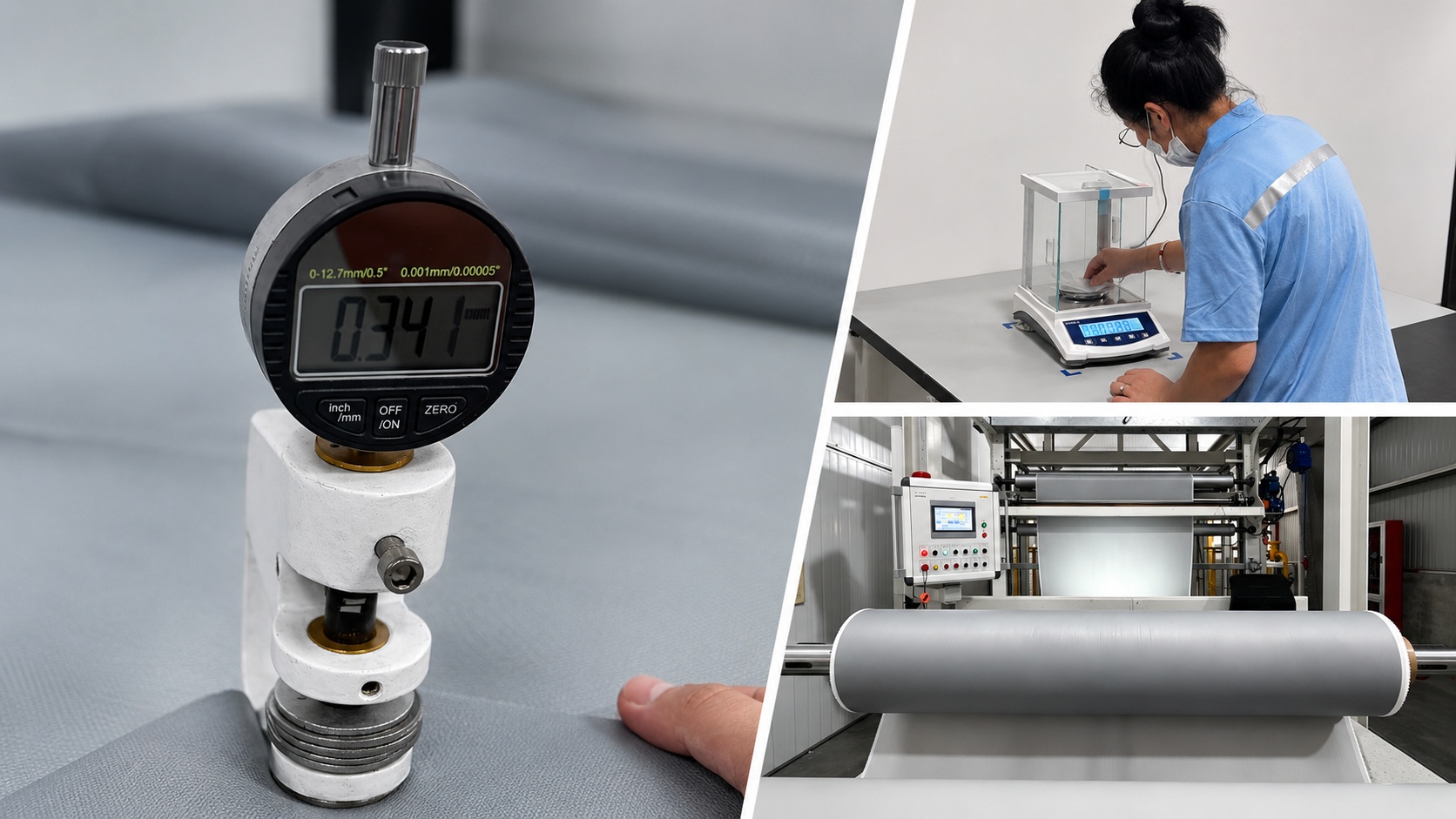
For insulation materials, consistent manufacturing quality is just as important as product specification. Even when products look similar, differences in fiberglass quality, coating process, thickness tolerance, and production control can lead to very different performance in real applications.
That is why buyers should work with a manufacturer that can provide:
- stable raw material quality
- consistent silicone coating performance
- support for custom specifications
- reliable production capacity
- fast sampling and technical communication
For long-term industrial projects, manufacturing capability directly affects product consistency, delivery reliability, and customer confidence.
OEM and Customization Options for Industrial Buyers
Different markets and applications often require different specifications. Electrical insulation silicone coated fiberglass cloth can usually be customized in terms of:
- thickness
- width
- roll length
- color
- single-sided or double-sided coating
- packaging format
This is especially useful for distributors, wholesalers, project buyers, and OEM customers who need materials matched to local market demand or technical standards.
Conclusion
Electrical insulation silicone coated fiberglass cloth is a practical and reliable material for modern industrial insulation applications. With its combination of heat resistance, insulation performance, flexibility, and durability, it is widely used in transformers, motors, cable protection, flexible connectors, and other high-temperature electrical systems.
For buyers, the right material should offer more than basic insulation. It should also provide stable quality, suitable customization, and dependable long-term supply. Choosing an experienced manufacturer can help ensure the right specification, consistent production, and reliable delivery for your project.
If you are sourcing electrical insulation silicone coated fiberglass cloth for industrial use, working with a professional manufacturer can make a meaningful difference in both product performance and long-term purchasing value.
We specialize in silicone coated fiberglass cloth for insulation applications. To explore our full line of industrial fiberglass products and more related series, please go to our official comprehensive site: https://www.suihuafiberglass.com/

 English
  Russian
  Spanish
  Italian
  Arabic
  Portuguese
  German