

Introduction

Silicone coated fiberglass cloth is widely used in industrial applications because of its excellent heat resistance, flexibility, and protective performance. One of the most important questions buyers and engineers ask is about the Silicone Coated Fiberglass Cloth Temperature Range.
Understanding the Silicone Coated Fiberglass Cloth Temperature Range is essential for choosing the right fabric for welding blankets, fire curtains, insulation jackets, expansion joints, and other high temperature applications.
In this guide, we will explain the continuous working temperature, short-term heat resistance, factors that affect performance, and how to choose the right product for your project.
What Is the Silicone Coated Fiberglass Cloth Temperature Range?
The Silicone Coated Fiberglass Cloth Temperature Range depends on both the fiberglass base fabric and the silicone coating. In most industrial uses, the material is selected according to continuous working temperature, short-term heat exposure, and the actual service environment.
Continuous Working Temperature
In most industrial applications, it can work continuously at temperatures up to 260°C (500°F).
This makes it suitable for many high temperature environments where flexibility and surface protection are also required.
For most standard industrial uses, the Silicone Coated Fiberglass Cloth Temperature Range provides stable performance when the operating temperature remains within its recommended continuous working range.
Short-Term Heat Resistance
For short periods, it can usually withstand temperatures up to 550°C (1022°F).
However, short-term exposure does not mean the material should be used continuously at this level. Repeated exposure to excessive heat may reduce the service life of the silicone coating.
Why the Temperature Range Matters
Choosing a material with the correct Silicone Coated Fiberglass Cloth Temperature Range is important for safety, product performance, and service life. If the actual working temperature is higher than the coating can handle, the surface may crack, age, or lose flexibility over time.
Why Silicone Coated Fiberglass Cloth Performs Well in High Temperature Environments
Fiberglass Base Fabric
The fiberglass base fabric provides excellent dimensional stability and strong heat resistance. It is the main reason the material can perform well in industrial thermal environments.
Silicone Rubber Coating
The silicone coating adds flexibility, surface durability, water resistance, and chemical resistance. It also improves abrasion resistance and makes the fabric easier to process into finished products.
Balanced Performance
Compared with uncoated fiberglass cloth, this product offers a more balanced combination of heat resistance, flexibility, and durability. This is why it is widely used in high-temperature industrial applications.
Factors That Affect the Silicone Coated Fiberglass Cloth Temperature Range
Coating Quality
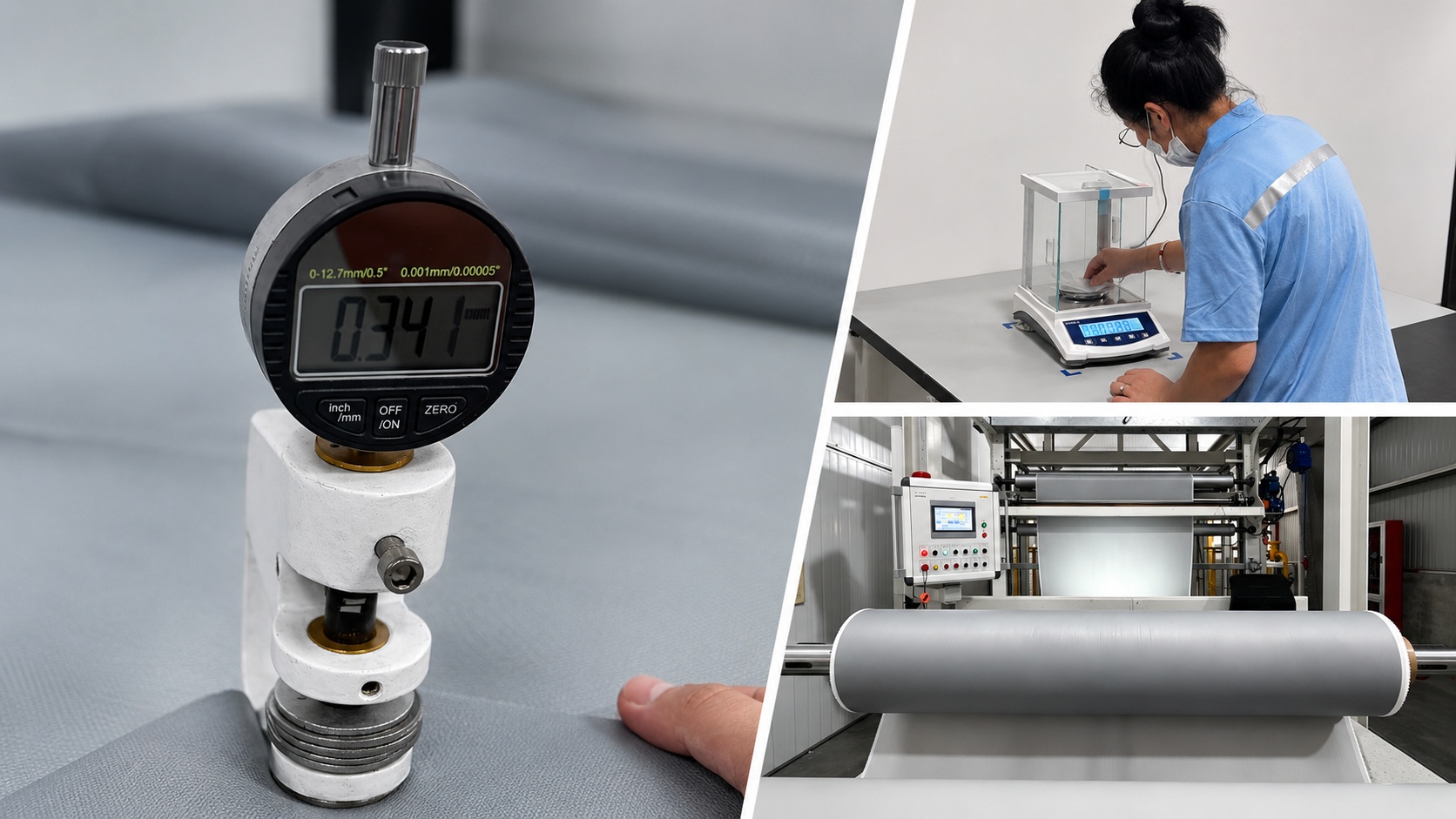
Different silicone formulations and coating processes can affect thermal stability. Higher quality coating generally provides more reliable long-term performance.
Fabric Thickness
Thicker fabric may provide better insulation and durability, while thinner fabric may be more flexible. The best choice depends on the actual application.
Working Environment
Actual service conditions such as direct flame contact, mechanical wear, moisture, and chemical exposure can all affect how the material performs over time.
Exposure Duration
A material may survive very high temperatures for a short time, but continuous exposure to excessive heat will reduce its working life.
For this reason, buyers should not judge the Silicone Coated Fiberglass Cloth Temperature Range only by peak temperature. The real working environment is more important for long-term product performance.
Common Applications
Because silicone coated fiberglass cloth combines thermal protection, flexibility, and surface durability, it is widely used in several industrial and fire protection applications.
Welding Blankets
This fabric is commonly used for welding blankets because it can resist sparks, slag, and moderate to high heat.
Fire Curtains
In fire protection systems, the material provides flame resistance and structural stability for curtain and barrier applications.
Removable Insulation Jackets
Because of its flexibility and heat resistance, it is often used as an outer layer material for insulation jackets on industrial equipment.
Expansion Joints
It is also suitable for expansion joints and HVAC flexible connectors where heat resistance and durability are required.
Silicone Coated Fiberglass Cloth vs Uncoated Fiberglass Cloth
Heat Resistance
Uncoated fiberglass cloth usually has a higher raw temperature resistance, but silicone coated options offer better surface protection.
Flexibility
This fabric is much more flexible and easier to fabricate into finished products.
Durability
The silicone coating improves resistance to water, abrasion, and chemicals, helping the material perform better in practical scenarios.
When comparing coated and uncoated fabrics, the Silicone Coated Fiberglass Cloth Temperature Range should be considered together with flexibility, surface protection, and the expected service life of the finished product.
How to Choose the Right Material
When selecting silicone coated fiberglass cloth, buyers should consider both the real working temperature and the final product application.
Check the Real Working Temperature
Do not choose material based only on peak temperature. Always confirm the continuous working temperature of the application.
Understand the Application Type
Different applications require different material properties. Welding blankets, insulation jackets, and fire curtains may need different thicknesses and coating structures.
Confirm Custom Requirements
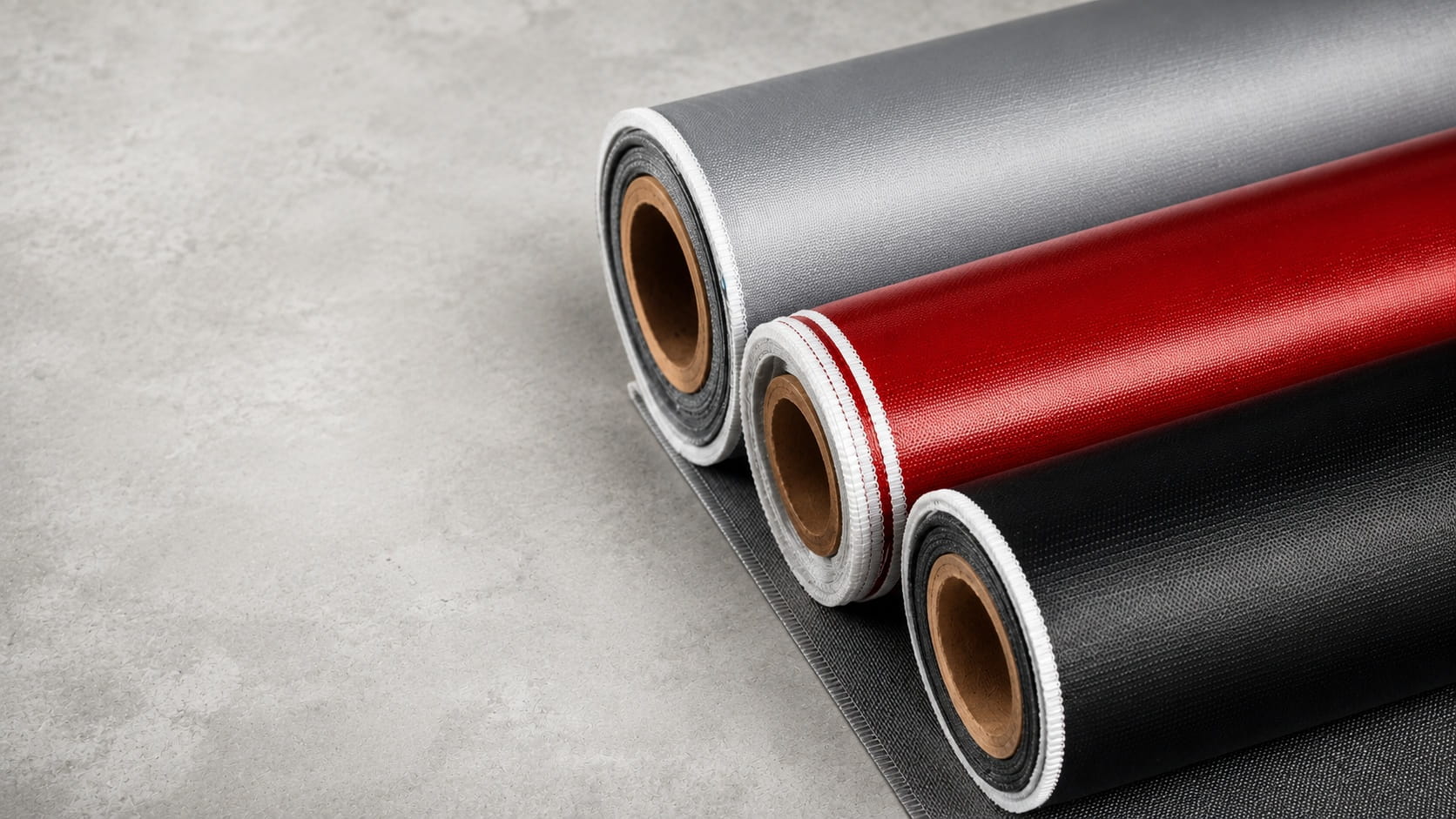
You may need custom thickness, width, roll length, or color depending on your production or project requirements.
Work with a Reliable Manufacturer
A professional manufacturer can help you select the correct product according to temperature, application, and budget.
If you are not sure which specification is suitable, ask your supplier to recommend a material based on the Silicone Coated Fiberglass Cloth Temperature Range, working conditions, thickness, coating weight, and final use.
FAQ
What is the continuous temperature rating?
In most cases, the continuous working temperature is up to 260°C (500°F).
What is the short-term temperature resistance?
It can withstand up to 550°C (1022°F) for short-term use.
Is it suitable for welding blankets?
Yes. It is widely used in welding blankets because of its heat resistance, flexibility, and durability.
Can high temperature damage the silicone coating?
Yes. If the material is exposed to temperatures above its working limit for long periods, the coating may age faster and lose performance.
How should buyers understand the Silicone Coated Fiberglass Cloth Temperature Range?
Buyers should understand it as a combination of continuous working temperature, short-term heat resistance, coating quality, and actual application conditions.
Conclusion
Understanding the Silicone Coated Fiberglass Cloth Temperature Range is essential for selecting the right material for industrial applications. While the typical continuous working temperature is up to 260°C, short-term exposure can be much higher depending on the product structure.
If you need a material that combines heat resistance, flexibility, and protective performance, this fabric is a reliable solution for many industrial uses.
For buyers, manufacturers, and project engineers, confirming the Silicone Coated Fiberglass Cloth Temperature Range before purchasing can help improve safety, reduce material failure, and extend product service life.
Get a Quote
Looking for high-quality heat-resistant fabric for high temperature applications?
Contact us today for:
- Free samples
- Custom specifications
- Fast quotation
- Professional support
Send your inquiry now to get the right solution for your project.
For more professional fiberglass products, visit Suihua Fiberglass Full Series Official Website.

 English
  Russian
  Spanish
  Italian
  Arabic
  Portuguese
  German