

When selecting materials for high-temperature protection, insulation, and industrial applications, choosing the right silicone coated fiberglass fabric is critical.
Different industries have different requirements for temperature resistance, flexibility, thickness, coating performance, and durability. The right material selection can improve equipment protection, extend service life, and reduce maintenance costs.
This guide explains the key factors buyers should consider when choosing silicone coated fiberglass fabric for industrial applications.
What Is Silicone Coated Fiberglass Fabric?
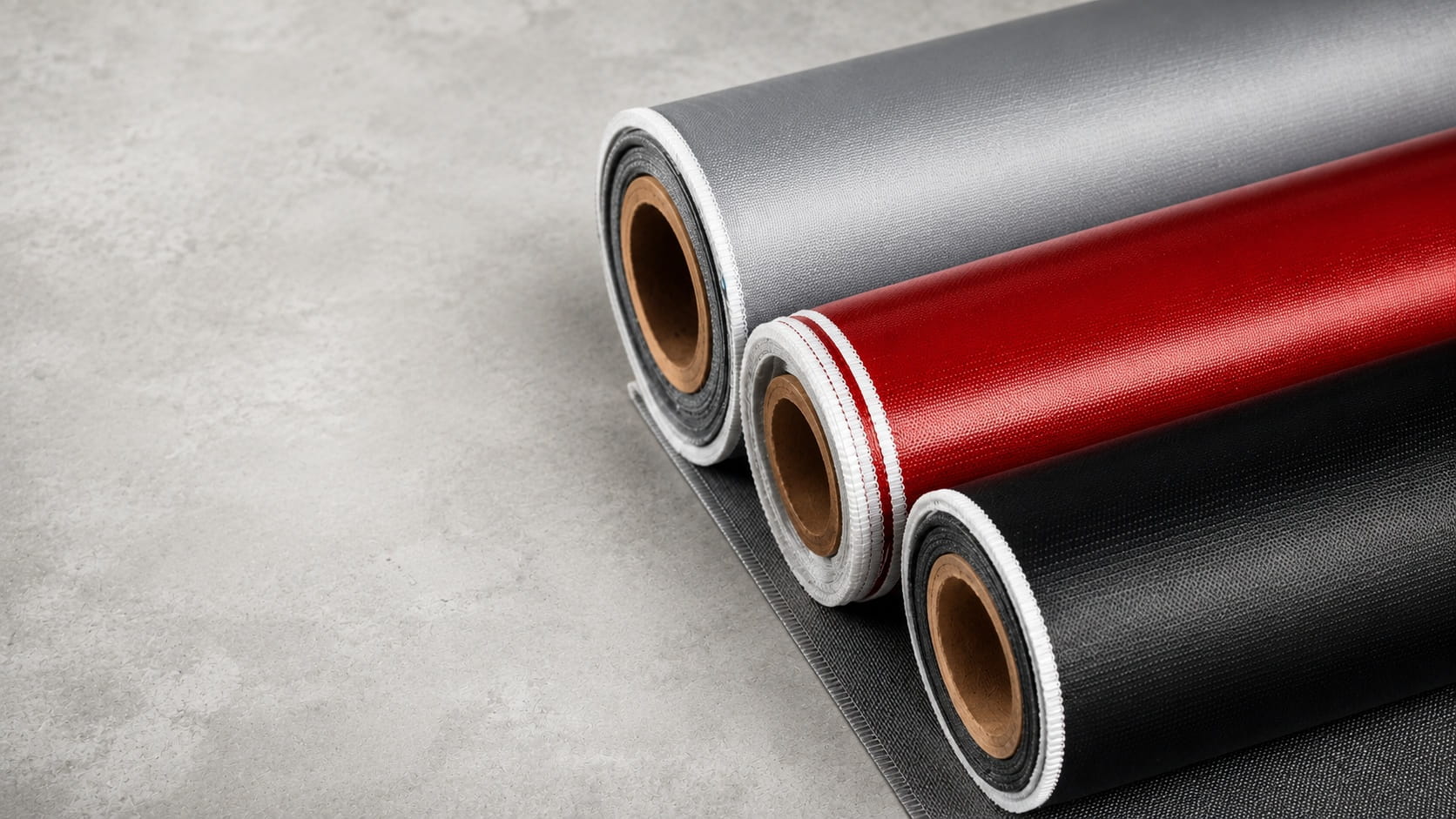
Silicone coated fiberglass fabric is a composite material made by coating fiberglass fabric with silicone rubber on one or both sides.
The fiberglass base provides excellent mechanical strength and heat resistance, while the silicone coating improves flexibility, chemical resistance, weather resistance, and surface protection.
This combination makes silicone coated fiberglass fabric suitable for:
- Industrial insulation systems
- Fire protection covers
- Welding protection
- Removable insulation jackets
- Expansion joints
- High-temperature equipment protection
Key Factors to Consider When Choosing Silicone Coated Fiberglass Fabric
1. Temperature Resistance Requirements
Temperature resistance is one of the most important factors when selecting silicone coated fiberglass fabric.
Before purchasing, buyers should consider:
- Continuous operating temperature
- Short-term peak temperature
- Heat exposure duration
- Working environment conditions
Selecting a material only based on the maximum temperature rating may result in unsuitable performance. The actual application environment should always be evaluated.
2. Silicone Coating Type and Thickness
The silicone coating directly affects the fabric’s performance, durability, and application suitability.
Single Side Coated Fiberglass Fabric
Single side coated fiberglass fabric is suitable for applications where protection is mainly required on one surface, including:
- Protective covers
- Heat shields
- General insulation applications
Double Side Coated Fiberglass Fabric
Double side coated fiberglass fabric provides improved sealing performance and durability for more demanding applications, such as:
- Flexible connectors
- Expansion joints
- Heavy-duty insulation systems
3. Fabric Weight and Thickness
Silicone coated fiberglass fabric is available in different weights and thicknesses to meet different industrial requirements.
Heavy fabrics usually provide:
- Higher mechanical strength
- Better abrasion resistance
- Longer service life
Lightweight fabrics provide:
- Better flexibility
- Easier installation
- Improved handling performance
4. Application Environment
The working environment plays an important role in material selection.
Chemical Exposure
For applications involving oils, chemicals, or industrial fluids, the silicone coating should provide suitable chemical resistance.
Outdoor Applications
For outdoor use, buyers should consider resistance to UV exposure, moisture, and weather conditions.
Mechanical Stress
Applications involving vibration, movement, or friction require fabrics with better flexibility and durability.
Silicone Coated Fiberglass Fabric Applications
Silicone coated fiberglass fabric is widely used in industrial applications where heat resistance, flexibility, and protection are required.
Industrial Insulation Applications
One of the most common applications is removable insulation systems. Silicone coated fiberglass fabric is widely used for insulation covers, thermal protection systems, and equipment protection.
Learn more about our silicone coated fiberglass fabric insulation jackets for industrial applications.
Welding Protection Applications
The material provides protection against welding sparks, molten particles, and high-temperature exposure, making it suitable for welding blankets and protective barriers.
Flexible Connectors and Expansion Joint Applications
Silicone coated fiberglass fabric is also used in flexible connection systems where heat resistance and movement capability are required.
For HVAC and industrial flexible connector applications, choosing the right material thickness and coating structure is important.
Read more about silicone coated fiberglass fabric for HVAC flexible connectors .
Silicone Coated Fiberglass Fabric vs Other High Temperature Materials
| Материал | Main Advantages | Typical Applications |
|---|---|---|
| Silicone Coated Fiberglass Fabric | Flexible, durable, waterproof, heat resistant | Insulation covers, welding protection, flexible connectors |
| PTFE Coated Fiberglass Fabric | Excellent chemical resistance and low friction | Release applications and industrial processing |
| High Silica Fabric | Higher temperature resistance | Extreme heat environments |
| Ceramic Fiber Fabric | Excellent thermal insulation performance | Furnaces and high-temperature equipment |
How to Select a Reliable Silicone Coated Fiberglass Fabric Supplier
Choosing a reliable supplier is as important as choosing the right material.
A professional manufacturer should provide:
- Stable fiberglass fabric quality
- Consistent silicone coating performance
- Customized thickness and width options
- Technical support for material selection
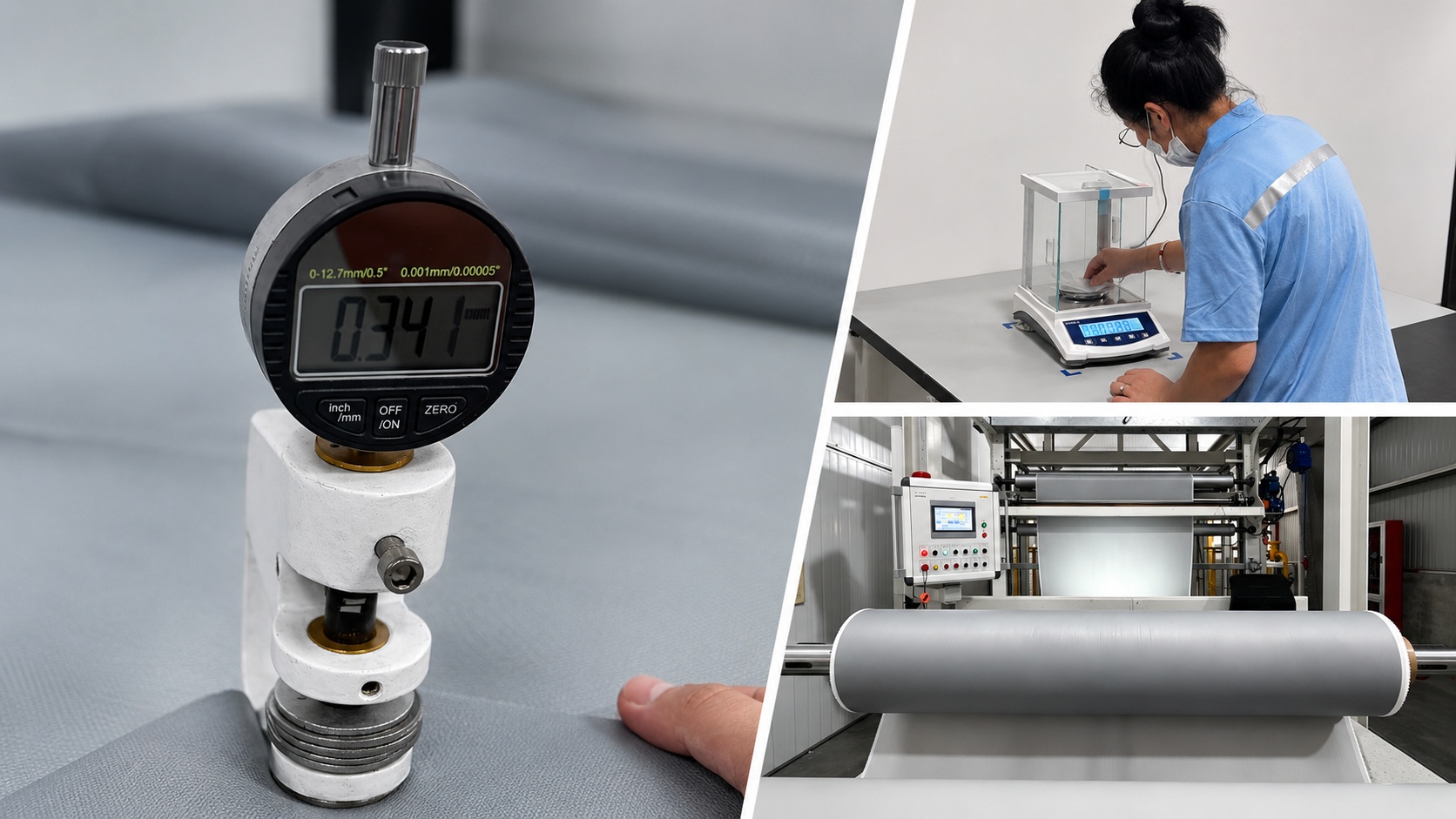
- Quality inspection before shipment
Before placing a bulk order, buyers should check product specifications, sample performance, production capability, and quality control procedures.
You can also learn more about quality evaluation in our guide: How to Inspect Silicone Coated Fiberglass Fabric Before Bulk Purchase .
Conclusion
Choosing the right silicone coated fiberglass fabric requires careful consideration of temperature resistance, coating type, thickness, and application requirements.
The correct material selection can improve safety, reduce maintenance costs, and provide reliable long-term performance in demanding industrial environments.
If you need customized silicone coated fiberglass fabric solutions for insulation, fire protection, or industrial applications, contact our team for professional support.

 Russian
  English
  Spanish
  Italian
  Arabic
  Portuguese
  German